

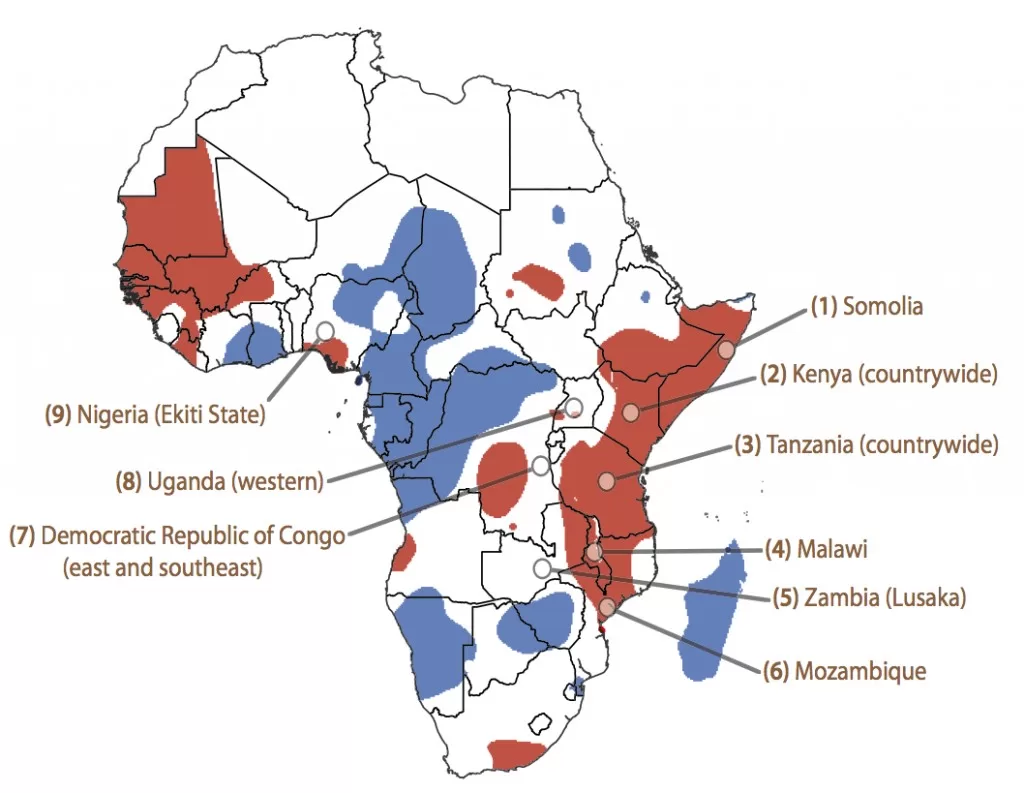
Cholera outbreaks in Africa have become a critical public health issue, with recent reports highlighting a dramatic surge in cases across the continent. Leaders from 20 nations convened under the Africa Centres for Disease Control and Prevention (Africa CDC) to devise a collective strategy aimed at tackling this ongoing crisis, which heavily burdens African populations. As of this year, the continent has recorded approximately 130,000 cases, tragically resulting in around 2,700 fatalities, further emphasizing the urgent need for cholera prevention efforts in Africa. The region accounts for a staggering 60% of the global cholera burden, which necessitates increased focus on factors such as poor sanitation, healthcare infrastructure, and access to oral cholera vaccines to effectively mitigate the disease’s impact. With coordinated efforts and strategic initiatives, African nations are striving to reduce the incidences of cholera and combat the dire consequences of infectious disease outbreaks across the region.
The resurgence of cholera in Africa highlights the broader challenges of managing severe foodborne diseases across multiple nations. With collaborative planning and the endorsement of strategies tailored to address recurring health crises, African nations are actively seeking solutions to combat this pressing issue. The alarming rates of cholera cases reveal the necessity for targeted interventions, particularly emphasizing the need for improved sanitation facilities and prompt vaccination initiatives. By prioritizing effective responses to these infectious disease outbreaks, leaders aim to lessen the devastating impact and safeguard the health of vulnerable populations throughout the continent. This widespread disease challenge calls for decisive actions and united efforts to protect communities from further infection.
Cholera Burden in Africa: Current Statistics and Trends
Cholera continues to plague Africa, with recent reports indicating that the continent carries a staggering 60% of the world’s cholera burden. As of this year, African countries have documented approximately 130,000 cases, with an alarming mortality rate leading to around 2,700 deaths. This high level of fatalities underscores the severity of outbreaks in several regions, particularly in South Sudan, the Democratic Republic of the Congo, Angola, and Sudan. Leaders from 20 African nations have taken proactive steps to address these alarming statistics, recognizing the crucial need for a coordinated response to curb the alarming rise in cholera cases.
The stark reality of cholera in Africa highlights the critical importance of bolstering prevention efforts. The Africa CDC leadership emphasizes that a systematic and structured approach to cholera management is essential, especially considering the continent grapples with concurrent infectious disease outbreaks, including mpox. Addressing the cholera burden demands increased commitment from nations to strengthen healthcare infrastructure, streamline vaccine delivery systems, and enact effective public health interventions. This collaborative effort aims at reducing the incidence and lethality of cholera across the continent.
African CDC Cholera Strategy: A Coordinated Response Plan
In response to the recent surge in cholera cases, African leaders convened to endorse a comprehensive strategy through the Africa Centres for Disease Control and Prevention (CDC). This coordinated plan, modeled after successful responses to mpox outbreaks, emphasizes the need for robust incident management support teams (IMST) as a foundational strategy. By enhancing cross-border surveillance and establishing dedicated cholera task forces led by national presidents, the African countries aim to tackle the cholera crisis with renewed urgency and cohesion.
The strategy outlined by the African CDC reflects a collective determination to not only contain current outbreaks but also strategically eliminate cholera by 2030. Leaders have called for strong national leadership and integrated actions to address the cholera burden effectively. This collaborative effort includes mobilizing domestic resources and enforcing accountability frameworks that not only engage health sectors but also involve community participation, ensuring that prevention methods reach the most vulnerable populations in affected regions.
The Need for Oral Cholera Vaccines in Africa
One of the pressing issues highlighted in the Africa CDC meeting is the urgent need for more oral cholera vaccines (OCV). Currently, Africa requires an estimated 54 million doses of OCV annually but faces a significant shortfall, receiving just above half the necessary supply. This vaccine deficiency poses a critical barrier to controlling cholera outbreaks, making it imperative for nations to prioritize scaling up local production and securing adequate vaccine supplies. Dr. Jean Kaseya, Africa CDC’s director-general, has called for immediate action to address this unacceptable gap in cholera vaccine availability.
To combat the cholera crisis effectively, regional governments must invest in local manufacturing capabilities for OCV. The Africa CDC is spearheading initiatives for three vaccine production projects that will require substantial funding—around $150 million—to expedite development. This investment will not only enhance accessibility to cholera vaccines but will also be vital for other infectious disease outbreaks across the continent. Strengthening vaccine infrastructure is a key component of the overall strategy to diminish Africa’s cholera burden, allowing for better preparedness and response in the face of ongoing public health challenges.
In addition, raising awareness about the importance of vaccination among communities will complement the production efforts. Local campaigns emphasizing the need for cholera vaccinations can lead to increased acceptance and utilization of available vaccines, further aiding in the initiatives to reduce widespread cholera outbreaks in the region.
Cross-Border Surveillance and Cholera Prevention in Africa
The Africa CDC’s recent high-level meeting highlighted the importance of cross-border surveillance in the fight against cholera outbreaks. Given the interconnected nature of African nations, particularly in regions where outbreaks are prevalent, coordinated monitoring efforts are vital for early detection and response. Enhanced surveillance at borders can prevent the spread of cholera and ensure that health interventions reach affected populations quickly. By sharing data and resources among neighboring countries, health authorities can create a unified front against the cholera burden.
Effective cholera prevention also hinges on strong international partnerships and support. Collaborating with global health organizations, such as the World Health Organization, can leverage international resources and expertise to bolster prevention efforts. South Sudan and other affected countries can particularly benefit from this collaborative approach, ensuring that vital resources, knowledge sharing, and best practices are disseminated. Ultimately, sustaining these cross-border efforts will be crucial to breaking the cycle of cholera outbreaks and improving public health outcomes throughout Africa.
Addressing Water and Sanitation Infrastructure to Combat Cholera
One of the critical factors contributing to the cholera outbreaks in Africa is inadequate water and sanitation infrastructure. Many regions, particularly South Sudan, struggle with poor sanitary conditions, leading to a heightened risk of cholera transmission. Reports indicate that up to 60% of the South Sudanese population engages in open defecation, while a staggering 90% of schools lack proper handwashing facilities. These deficiencies create a breeding ground for the cholera bacterium, perpetuating outbreaks and hampering efforts to improve public health.
To effectively combat cholera, urgent investments in water supply and sanitation systems are necessary. Governments, with the support of international organizations, must prioritize improving access to clean water and sanitation facilities to mitigate the effects of cholera outbreaks. Community-based sanitation programs and education on hygiene practices can significantly reduce the risks of infection. Strengthening these foundational elements will not only provide immediate benefit in the fight against cholera but will also lay the groundwork for improved public health resilience against future infectious disease threats in Africa.
The Role of Community Engagement in Cholera Prevention
Community engagement is essential in implementing effective cholera prevention strategies across Africa. By including local populations in planning and decision-making processes, health authorities can foster a sense of ownership over their health interventions. Grassroots involvement can drive awareness campaigns, promote hygiene practices, and encourage participation in vaccination programs. This local mobilization is especially pertinent in high-risk areas where cholera outbreaks are prevalent, as community members can identify specific needs and challenges that must be addressed.”},{
Frequently Asked Questions
What are the recent cholera outbreaks in Africa and their impact?
Cholera outbreaks in Africa have escalated significantly, with approximately 130,000 cases reported this year alone, resulting in around 2,700 deaths. Countries like South Sudan, the Democratic Republic of the Congo, Angola, and Sudan are among the hardest hit, contributing to 60% of the world’s cholera burden and 93.5% of global deaths from the disease.
How is the African CDC addressing cholera outbreaks in Africa?
The African CDC has established a coordinated continental strategy involving leadership from 20 African countries to combat cholera outbreaks. This strategy includes enhancing cross-border surveillance, implementing incident management support teams, and establishing national task forces to tackle cholera effectively.
What role does the oral cholera vaccine play in cholera prevention in Africa?
The oral cholera vaccine is crucial for cholera prevention in Africa, where there is a pressing need for 54 million doses annually. However, the continent currently receives only about half of that amount. The African CDC is working to increase local production and secure the necessary supplies to effectively combat the disease.
What challenges does Africa face in managing cholera outbreaks?
Africa faces several challenges in managing cholera outbreaks, including inadequate water and sanitation infrastructure, especially in countries like South Sudan, where open defecation is prevalent. Other factors include competing infectious disease threats, such as mpox, and issues related to resource mobilization and coordination among nations.
What is the aim of the African countries in relation to cholera outbreaks by 2030?
African leaders aim to eliminate cholera outbreaks in Africa by 2030. Achieving this goal requires strong leadership, domestic investment in health infrastructure, integrated national actions, and enhanced regional cooperation, as emphasized by H.E. Mahmoud Ali Youssouf during recent discussions.
How does the cholera burden in Africa affect children?
Children are disproportionately affected by cholera outbreaks in Africa, representing 47% of all cases and 37% of deaths. The high incidence of cholera in children highlights the urgent need for effective prevention measures, including improved sanitation and access to vaccines.
What measures are being taken to scale up cholera vaccine production in Africa?
To address the oral cholera vaccine needs in Africa, the Africa CDC has highlighted the importance of scaling up local vaccine production. Three OCV manufacturing projects have been identified, requiring an estimated $150 million in funding to expedite this crucial effort.
How do natural disasters contribute to cholera outbreaks in Africa?
Natural disasters exacerbate the cholera burden in Africa by damaging water and sanitation infrastructure, displacing populations, and increasing the risk of outbreaks. Factors such as conflict, population movements, and climate change contribute to heightened vulnerability to cholera in affected areas.
| Key Point | Details |
|---|---|
| Meeting of African Leaders | 20 African nations convened to address recent cholera outbreaks. |
| Cholera Statistics | Approximately 130,000 cholera cases and 2,700 fatalities reported this year in Africa. |
| Coordination Strategy | Adoption of an incident management support team (IMST) for outbreak response. |
| Oral Cholera Vaccine Needs | Africa requires 54 million doses of oral cholera vaccine annually, producing only about half. |
| Challenges | Poor water and sanitation infrastructure and rising risk factors contribute to outbreaks. |
Summary
Cholera outbreaks in Africa have escalated significantly, prompting leaders from 20 countries to unite for a coordinated response strategy through the Africa CDC. This meeting highlights the urgent need for improved public health infrastructure, vaccine production, and cross-border surveillance to combat the disease. With cholera accounting for a substantial burden in the continent, strategic actions taken now are crucial to ensure the health and safety of vulnerable populations across Africa.
The content provided on this blog (e.g., symptom descriptions, health tips, or general advice) is for informational purposes only and is not a substitute for professional medical advice, diagnosis, or treatment. Always seek the guidance of your physician or other qualified healthcare provider with any questions you may have regarding a medical condition. Never disregard professional medical advice or delay seeking it because of something you have read on this website. If you believe you may have a medical emergency, call your doctor or emergency services immediately. Reliance on any information provided by this blog is solely at your own risk.