

The recent measles outbreak in Armenia has raised urgent public health concerns, particularly given its significant impact on young, unvaccinated populations. From February to July 2023, the outbreak saw nearly 300 confirmed cases, with 75% of affected individuals lacking the protective measles vaccination. Notably, a staggering 70% of transmission cases occurred within healthcare facilities, illustrating the critical need for enhanced measles vaccination among healthcare workers. The alarming rise in measles incidence in 2023 accentuates the importance of addressing immunization gaps and ensuring that every child is properly vaccinated. As Armenia navigates these health challenges, understanding the interplay between nosocomial transmission and community awareness becomes increasingly vital in strategizing effective vaccination campaigns and improving overall Armenia health statistics.
The surge in measles cases across Armenia highlights a disturbing trend in public health, challenging local healthcare systems and spotlighting the importance of immunization efforts. This health crisis particularly affects young children who have not received their recommended measles vaccinations, raising serious concerns about the efficacy of existing prevention strategies. Healthcare environments have become hotspots for viral spread due to insufficient vaccination among professionals, reflecting a broader issue of nosocomial transmission. Enhancing vaccination rates among healthcare workers, alongside community-focused education and outreach regarding measles vaccination, are essential steps toward reversing this trend. As the country grapples with these pressing issues, recognizing the significance of equitable vaccination access and robust public health initiatives is crucial for safeguarding future generations against measles.
The Impact of the Measles Outbreak in Armenia
The measles outbreak in Armenia from February to July 2023 brought to light severe public health challenges, with 287 confirmed cases reported. Of these, a striking 75% of patients were unvaccinated, underscoring critical lapses in vaccination coverage, particularly in children. Notably, children under 5 years of age were disproportionately affected, with 130 cases documented in this demographic alone. This situation stresses the need for comprehensive public health strategies, including enhancing vaccination outreach programs to target underimmunized populations.
Additionally, the outbreak’s epidemiological characteristics highlighted the high incidence of nosocomial transmission. Approximately 70% of the cases were traced back to exposure in healthcare settings, reflecting significant shortcomings in infection control practices among healthcare workers. These statistics indicate the pressing need for robust vaccination protocols for healthcare workers to safeguard both patients and staff from vaccine-preventable diseases.
Nosocomial Transmission and Its Role in Measles Spread
Nosocomial, or hospital-acquired, transmission played a critical role in the propagation of the measles outbreak observed in Armenia. The majority of transmissions were linked to healthcare facilities where unvaccinated or undervaccinated healthcare workers (HCWs) contributed significantly to the spread of the virus. This emphasizes the critical need for healthcare professionals to prioritize measles vaccination, as their immunization status directly impacts the risk of outbreaks within clinical environments.
Moreover, the investigation revealed that many healthcare facilities lacked effective infection control measures, fostering an environment conducive to the virus’s transmission. Strengthening nosocomial infection control protocols and ensuring that all healthcare workers are vaccinated can prevent similar occurrences in the future. The sustained commitment to vaccinating frontline workers is vital for maintaining a healthy healthcare system capable of preventing outbreaks that can swiftly escalate due to inadequate immunity.
The Role of Measles Vaccination Campaigns
Measles vaccination campaigns in Armenia have historically been crucial in achieving high vaccination coverage but have faced setbacks in recent years. Despite the country’s early efforts to incorporate the measles, mumps, and rubella (MMR) vaccine into its immunization schedule, coverage rates have consistently dropped below the WHO’s recommended threshold of 95% after 2020, leading to the recent outbreak. It is imperative to reinvigorate vaccination campaigns, particularly in regions that have seen a decline in immunization rates.
The outreach during the ongoing outbreak demonstrated the critical nature of timely immunization campaigns, as over 33,000 individuals received the MMR vaccine in response to the outbreak. Re-establishing trust within the community and promoting awareness about the importance of vaccination are essential to reversing vaccine hesitancy. Enhanced education and communication strategies should focus on the safety and efficacy of the measles vaccine to prevent further outbreaks and protect vulnerable groups, such as infants and those with weakened immune systems.
Current Health Statistics in Armenia
Health statistics from Armenia reveal concerning trends regarding measles incidence and vaccination coverage. Reports indicate that from 2008 to 2022, measles incidence remained below 1 case per 100,000 population due to effective immunization programs. However, the recent surge in cases during 2023, primarily fueled by unvaccinated individuals, shows that complacency can lead to rapid increases in disease incidence.
Understanding these health statistics is vital for informing public health strategies. With an average of 49 new cases reported monthly during the ongoing outbreak, health officials need to adapt their strategies to address the resurgence of measles. Continuous surveillance and timely intervention can mitigate the impact of outbreaks, ensuring that medical infrastructure and public health policy remain responsive to evolving epidemiological trends.
Vaccination Status of Health Care Workers
Recent investigations highlighted alarming vaccination rates among healthcare workers (HCWs) during the measles outbreak in Armenia, with a mere 1 out of 15 confirmed HCW cases having received a single dose of the measles vaccine. This raises significant concerns about workplace immunity, exposing vulnerabilities that can compromise patient safety and lead to heightened disease transmission within healthcare settings.
To combat this issue, Armenia must implement mandatory vaccination policies for healthcare workers. By ensuring that HCWs are adequately vaccinated, healthcare facilities can create a safer environment for patients and staff alike. Furthermore, comprehensive training about the importance of vaccinations and infection control practices can empower healthcare workers to take proactive measures in preventing future outbreaks.
Strategies for Controlling Future Measles Outbreaks
In light of the measles outbreak in Armenia, public health authorities must adopt a multi-faceted approach to control future incidences. Firstly, a critical emphasis on vaccination campaigns targeting both children and healthcare workers will be essential to ensure herd immunity. Authorities should not only focus on immediate immunization needs but also on long-term strategies to maintain high vaccination rates.
Additionally, improving public awareness of the symptoms and risks associated with measles can facilitate quicker responses to suspected cases. Community engagement strategies—such as informational sessions and local outreach programs—can help educate the public on the importance of immunization, addressing hesitancies, and promoting fluency with healthcare statistics that underlie the critical nature of measles vaccination.
Importance of Surveillance in Measles Control
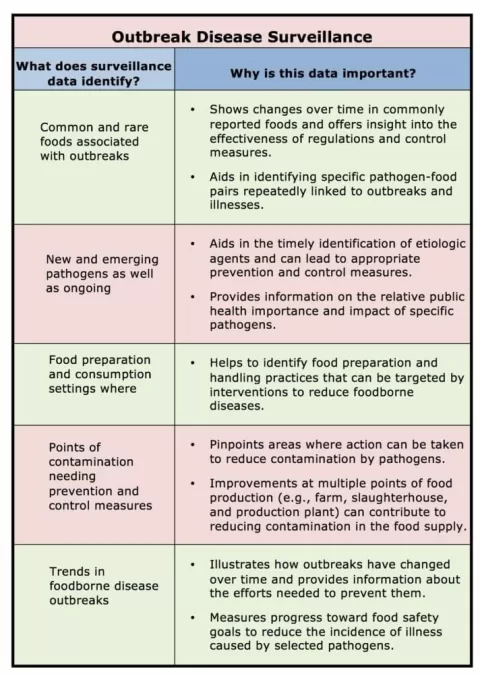
Effective measles surveillance is paramount to controlling outbreaks and protecting public health. In Armenia, gaps in measles surveillance and testing contributed to the unchecked spread of the virus. Robust surveillance systems that enable rapid identification and tracking of suspected cases can significantly curtail transmission before it escalates. This requires collaboration between local health departments, healthcare facilities, and community stakeholders to ensure timely information flow.
Moreover, implementing regular audits of vaccination records, along with community education initiatives, can enhance awareness and involvement in vaccination efforts. Strengthening surveillance capacity is not just critical for the current outbreak but is essential for ensuring sustained progress towards measles elimination in the long term.
The Link Between Measles Incidence and Public Health Policy
The relationship between measles incidence and effective public health policy is evident, especially in Armenia’s recent experiences. Policies that enforce immunization requirements for school enrollment and healthcare worker vaccination are substantial in reducing disease prevalence. Armenia’s public health officials must re-evaluate existing policies and consider enacting stricter immunization mandates to address the decreasing vaccination rates that led to the current outbreak.
Additionally, integrating public health communications within policy frameworks can increase public engagement and compliance with vaccination protocols. By crafting policies that compel vaccination while simultaneously educating the public about vaccine benefits, Armenia can create an informed society capable of combating preventable diseases effectively.
Community Engagement in Measles Vaccination Efforts
Community engagement is critical in enhancing vaccination uptake in Armenia, particularly in the wake of the measles outbreak. Strategies that involve local leaders and stakeholders can foster community trust in vaccination efforts. By actively involving communities in planning and executing vaccination initiatives, health authorities can address specific concerns and hesitancies that may exist among the population.
Furthermore, employing culturally relevant messaging that resonates with community values can significantly enhance participation in vaccination campaigns. Engagement efforts should also include transparent communication about the risks associated with measles and the benefits of vaccination, which can empower individuals and families to protect their health and that of their community.
Frequently Asked Questions
What caused the measles outbreak in Armenia during 2023?
The measles outbreak in Armenia during 2023 was primarily driven by nosocomial transmission, meaning that many cases were contracted in healthcare settings. Out of 287 confirmed cases, approximately 70% were exposed in healthcare facilities.
How does nosocomial transmission contribute to the measles outbreak in Armenia?
Nosocomial transmission significantly contributed to the measles outbreak in Armenia, as healthcare workers, many of whom were unvaccinated, played a key role in the spread of the virus within healthcare environments.
What are the vaccination rates for measles in Armenia in 2023?
As of 2023, measles vaccination coverage in Armenia has declined below the World Health Organization’s target of 95%, with many unvaccinated individuals, especially children under 5 years old, contributing to the outbreak.
What is the status of measles incidence in Armenia for 2023?
The measles incidence in Armenia for 2023 has increased dramatically, with 287 confirmed cases reported from February to July. This outbreak marks a shift from previously low incidence rates, highlighting vulnerabilities in vaccination coverage.
What measures are being taken to control the measles outbreak in Armenia?
To control the measles outbreak in Armenia, health authorities are promoting measles vaccination among healthcare workers and close contacts of confirmed cases. A total of 33,385 individuals have been immunized as part of the outbreak response.
Why is measles vaccination important for healthcare workers in Armenia?
Measles vaccination is crucial for healthcare workers in Armenia to reduce nosocomial transmission and protect vulnerable populations, especially children under 5 years, who are at higher risk during outbreaks.
What role did healthcare workers have in the measles epidemic in Armenia?
Healthcare workers in Armenia had a significant role in the measles epidemic due to high rates of unvaccination among them, which facilitated the spread of the virus within hospitals and clinics.
What is the Armenian government doing to improve measles vaccination coverage?
In response to the outbreak, the Armenian government is revising the national strategic plan for measles elimination, including mandatory vaccination for frontline healthcare workers and improved monitoring of vaccination uptake.
How do measles health statistics in Armenia compare to previous years?
Measles health statistics in Armenia show a concerning increase in cases for 2023, a stark contrast to the years 2008 to 2022, when incidence rates predominantly remained below 1 case per 100,000 population.
What should parents in Armenia know about measles vaccination for their children?
Parents in Armenia should be aware that timely measles vaccination is essential for their children’s protection, especially considering the increased risk from the current outbreak and the importance of adhering to the immunization schedule.
| Key Points | Details |
|---|---|
| Investigation Period | March–July 2023 |
| Total Cases Confirmed | 287 cases |
| Vaccine Status of Cases | 75% unvaccinated |
| Children Affected | 130 cases under 5 years |
| Nosocomial Transmission | 70% of cases exposed in healthcare facilities |
| Response Team | Armenian National Center for Disease Control and Prevention (NCDC) |
| Control Measures Taken | MMR vaccination offered to close contacts, public awareness campaigns launched |
| Outcomes | Increased vaccination rates following outbreak response |
Summary
The measles outbreak in Armenia from February to July 2023 exposed significant vulnerabilities in the country’s healthcare and vaccination protocols. The outbreak underscores the importance of addressing gaps in immunization coverage, particularly among healthcare workers and young children, to prevent future occurrences. Vaccination campaigns and enhanced awareness are crucial in mitigating outbreaks in the future, especially in light of the prolonged transmission noted throughout the outbreak.
The content provided on this blog (e.g., symptom descriptions, health tips, or general advice) is for informational purposes only and is not a substitute for professional medical advice, diagnosis, or treatment. Always seek the guidance of your physician or other qualified healthcare provider with any questions you may have regarding a medical condition. Never disregard professional medical advice or delay seeking it because of something you have read on this website. If you believe you may have a medical emergency, call your doctor or emergency services immediately. Reliance on any information provided by this blog is solely at your own risk.