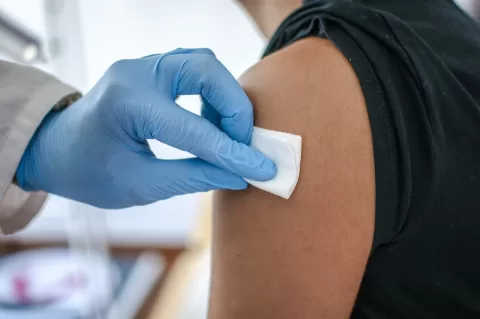


Recent studies have reiterated that COVID-19 vaccines and autism are not linked, providing vital reassurance for parents and health experts alike. The concern regarding the safety of COVID-19 vaccines, particularly in relation to autism, has been a contentious topic, especially for expectant mothers. New research reveals that children whose mothers received mRNA vaccines during or before pregnancy show no significant differences in developmental assessments when compared to those born to unvaccinated mothers. This compelling evidence supports the notion that COVID-19 vaccine safety is robust, alleviating fears surrounding vaccines and pregnancy. As ongoing autism research continues to explore various factors contributing to developmental concerns, the findings emphasize that vaccination remains a critical tool in protecting both mothers and infants from the severe effects of COVID-19.
The conversation surrounding COVID-19 inoculations and their alleged relationship with neurodevelopmental disorders has gained attention amidst a climate of uncertainty and misinformation. As the pursuit of understanding child development continues, terms such as vaccine safety during pregnancy and the implications of mRNA technology become pivotal in discussions. Growing evidence supports the idea that maternal vaccination plays a significant role in mitigating health risks, yet many still harbor concerns about the impact on children’s development. Furthermore, autism-related studies examine various dimensions, touching upon misconceptions and public hesitance regarding vaccinations. This intricate interplay of topics underscores the importance of presenting factual information to insure that pregnant women can make informed decisions for their health and their unborn children.
Understanding the Link Between COVID-19 Vaccines and Autism
Recent studies have consistently shown no credible evidence linking COVID-19 vaccines to autism risk. One notable study involving 434 children, which split participants between vaccinated and unvaccinated mothers, demonstrated that developmental assessments revealed no significant differences related to autism indicators. The research, which included standardized screenings such as the Ages and Stages Questionnaire and the Modified Checklist for Autism in Toddlers, provided convincing evidence that the administration of COVID-19 mRNA vaccines does not elevate autism risk in children. This finding challenges long-held misconceptions and aligns with the broader understanding of vaccine safety.
The discourse surrounding COVID-19 vaccine safety often draws parallels to historical concerns about vaccines and autism, fueled by misinformation. Alycia Halladay, PhD, emphasized the compelling nature of research that indicates COVID-19 vaccines do not contribute to developmental concerns for children. Despite vocal opposition from certain groups advocating against vaccine safety, the scientific community stands firm on the importance of vaccinations to protect both mothers and their infants during the pandemic.
Safety of COVID-19 Vaccines during Pregnancy
A growing body of evidence supports the safety of COVID-19 vaccines for pregnant women. Numerous studies have demonstrated that vaccinated pregnant women do not face elevated risks of miscarriage or severe complications when compared to their unvaccinated counterparts. For instance, Swedish studies involving nearly 60,000 women highlighted consistent findings that vaccination did not adversely affect pregnancy outcomes. As public health officials continue to advocate for vaccine uptake, the data surrounding maternal health and vaccination grows increasingly reassuring.
Moreover, the implications of COVID-19 infections during pregnancy are critical to consider. Pregnant women infected with COVID-19 are at heightened risk for complications, including severe illness and even death. The vaccines not only protect mothers from such outcomes but may also contribute positively to the developmental environment of the fetus. This dual benefit has made vaccination a vital part of reproductive health discussions, underscoring the need for informed decision-making guided by the latest research.
Examining Developmental Concerns in Young Children
Developmental concerns in children early in life can be pivotal for their long-term health and well-being. While the recent study followed children until they were 2½ years old, experts recognize that assessments for conditions like autism can continue to evolve as children age. The understanding of autism and its diagnosis has progressed significantly over the years, necessitating ongoing research to fully appreciate the long-term impacts of maternal vaccination.
It’s crucial for future studies to investigate potential risks not just concerning autism but other neurodevelopmental conditions that may arise from maternal infections or inadequate prenatal care. The medical community advocates for continuous monitoring and research into the potential developmental outcomes associated with both maternal health and vaccination, recognizing the complexities involved in early child development.
Vaccines, Pregnancy, and Public Health Recommendations
Public health recommendations regarding the COVID-19 vaccine during pregnancy have evolved in response to emerging research findings. Health officials emphasize that vaccination is a critical tool for preventing severe illness not only in the mother but also in the newborn child. The decision to vaccinate should be informed by robust data demonstrating the protective benefits of vaccination while recognizing the risks associated with COVID-19 infection during pregnancy. This balanced approach is essential for safeguarding maternal and infant health.
Additionally, discussions surrounding vaccines and pregnancy contribute to a larger narrative about vaccine acceptance and hesitance rooted in misinformation. Health care providers are tasked with providing evidence-based information to expectant mothers, ensuring they understand the risks and benefits involved. Ongoing education plays a crucial role in combating myths about vaccine safety, reinforcing the importance of public health measures during pregnancy.
Evaluating Data on Vaccine Safety
While the recent study found no link between COVID-19 vaccines and autism, the limitations of study duration must be acknowledged. The assessment period of 2½ years may not cover the full spectrum of developmental milestones that could impact autism diagnoses later in childhood. Recognizing these boundaries in study design is vital for forming a comprehensive understanding of how vaccines interact with child development.
Future research should focus on longitudinal studies that follow children for an extended period, allowing for a more thorough evaluation of autism and other developmental concerns. The scientific community continues to support research that will shed light on any potential long-term effects of maternal vaccination during pregnancy, ensuring that parents can make informed health decisions for their children.
Misinformation and its Impact on Vaccination Attitudes
Misinformation regarding vaccines and their supposed links to autism has perpetuated skepticism and fear among expectant mothers. Influential figures and organizations promoting these unfounded claims hinder public health efforts to encourage vaccinations. The misrepresentation of vaccine safety can lead to lower immunization rates, ultimately placing both mothers and infants at risk for preventable diseases, including severe COVID-19 complications.
Addressing these misinformation trends is critical for fostering a supportive environment for both expecting and new mothers. Corrective communication from health professionals and trusted community leaders should focus on sharing factual insights from studies like those showing the safety of COVID-19 vaccines. By dispelling myths, healthcare providers can help bolster public confidence in vaccinations, thereby improving community health outcomes.
The Importance of Ongoing Research
As the dialogue on COVID-19 vaccines continues, the need for ongoing research into their safety and efficacy remains paramount. New findings about vaccine impacts on pregnant women and their children emerge regularly, forming a dynamic landscape of public health knowledge. Long-term studies, like the recent one focusing on developmental outcomes related to COVID-19 vaccinations, are pivotal not just for validating past research but also for exploring future implications.
Researchers emphasize that continuously expanding the body of knowledge surrounding vaccine safety, especially in high-risk groups like pregnant women and young children, is crucial. Efforts to understand the interplay between maternal health, vaccination, and childhood development will contribute significantly to public health strategies and vaccination campaigns aimed at improving maternal and child health outcomes.
Health Risks of COVID-19 Infections during Pregnancy
Understanding the health risks posed by COVID-19 infections during pregnancy is essential. Pregnant women who contract COVID-19 face considerably heightened risks, including increased rates of hospitalization and severe illness compared to their uninfected peers. The implications for the newborn can also be profound, highlighting the necessity of preventative measures, such as vaccination, to protect both mother and child.
The overarching narrative drawn from current research emphasizes that while vaccines present a safe option for expectant mothers, the risks associated with COVID-19 infections are substantial. Recognizing this risk balance is vital for healthcare providers advocating for maternal vaccination, reinforcing the message that vaccination should be prioritized to ensure both maternal and infant safety during the pandemic.
Frequently Asked Questions
Is there a link between COVID-19 vaccines and autism?
No, recent studies have found no link between COVID-19 vaccines and autism. A study involving 434 children showed no significant differences in developmental screenings between those born to vaccinated and unvaccinated mothers.
What does current autism research say about COVID-19 vaccines?
Current autism research indicates that COVID-19 vaccines do not cause autism. Multiple studies, including recent findings, support that COVID-19 vaccination in pregnant women does not lead to an increased risk of autism in children.
Are COVID-19 vaccines safe during pregnancy with respect to autism?
Yes, COVID-19 vaccines are deemed safe during pregnancy. Research shows that vaccinating pregnant women does not result in developmental concerns or an increased risk of autism in their children.
How do mRNA vaccines relate to autism concerns?
Research has demonstrated that mRNA vaccines, including COVID-19 vaccines, do not lead to autism diagnoses. Studies measuring developmental outcomes show reassuring results for vaccinated pregnant women.
What impact do COVID-19 vaccines have on pregnancy related to developmental concerns, including autism?
COVID-19 vaccines have a positive impact on pregnancy by protecting against severe COVID-19 risks, and current studies confirm that they do not contribute to developmental concerns, including autism.
What are the developmental concerns linked to COVID-19 infections during pregnancy?
COVID-19 infections during pregnancy pose significant health risks, including a potential increase in complications for infants. Vaccination helps reduce these risks, ultimately protecting maternal and child health.
Can COVID-19 vaccines help prevent autism in babies born to infected mothers?
While COVID-19 vaccines do not directly prevent autism, they reduce the risk of maternal infection, which is linked to various developmental issues. By preventing infection, vaccines may help protect newborns from neurodevelopmental complications.
What does evidence show about vaccine safety in preventing autism during pregnancy?
Evidence strongly supports the safety of COVID-19 vaccines in preventing developmental issues, including autism, during pregnancy. Vaccinated mothers have not shown an increased risk of autism in their children compared to unvaccinated mothers.
Are findings about vaccines and autism in children relevant to COVID-19 vaccine safety?
Yes, findings regarding vaccines and autism are relevant to COVID-19 vaccine safety, as extensive research confirms that vaccines do not cause autism, and similar patterns are observed with COVID-19 vaccinations.
How does vaccination impact pregnant women’s risk for severe outcomes compared to COVID-19?
Vaccination significantly lowers the risk of severe outcomes from COVID-19. Studies have indicated that vaccinated pregnant women are less likely to experience severe complications compared to their unvaccinated counterparts.
| Key Point | Details |
|---|---|
| Study Overview | Involves 434 children from 14 medical facilities, comparing vaccinated and unvaccinated mothers. |
| No Link Found | The study found no significant differences in autism screenings between vaccinated and unvaccinated groups. |
| Expert Opinions | Experts agree that there is clear evidence that COVID-19 vaccines do not cause autism. |
| Safety of Vaccines | Repeated studies indicate COVID-19 vaccines are safe for pregnant women and protect against severe COVID-19. |
| Risks of COVID-19 | Pregnant women face higher risks from COVID-19, whereas vaccination helps reduce these risks. |
| Need for Ongoing Research | Further studies are recommended due to the potential for late autism diagnoses. |
Summary
The relationship between COVID-19 vaccines and autism has been thoroughly examined, with the latest studies confirming that COVID-19 vaccines and autism are not linked. Research from various studies reassures parents that vaccinations during pregnancy do not pose developmental concerns. As scientists and health experts conclude, the benefits of vaccination far outweigh the hypothetical risks, particularly in protecting both mothers and infants from severe COVID-19 outcomes. Continuous monitoring and research remain crucial to uphold public trust and health safety.
The content provided on this blog (e.g., symptom descriptions, health tips, or general advice) is for informational purposes only and is not a substitute for professional medical advice, diagnosis, or treatment. Always seek the guidance of your physician or other qualified healthcare provider with any questions you may have regarding a medical condition. Never disregard professional medical advice or delay seeking it because of something you have read on this website. If you believe you may have a medical emergency, call your doctor or emergency services immediately. Reliance on any information provided by this blog is solely at your own risk.