

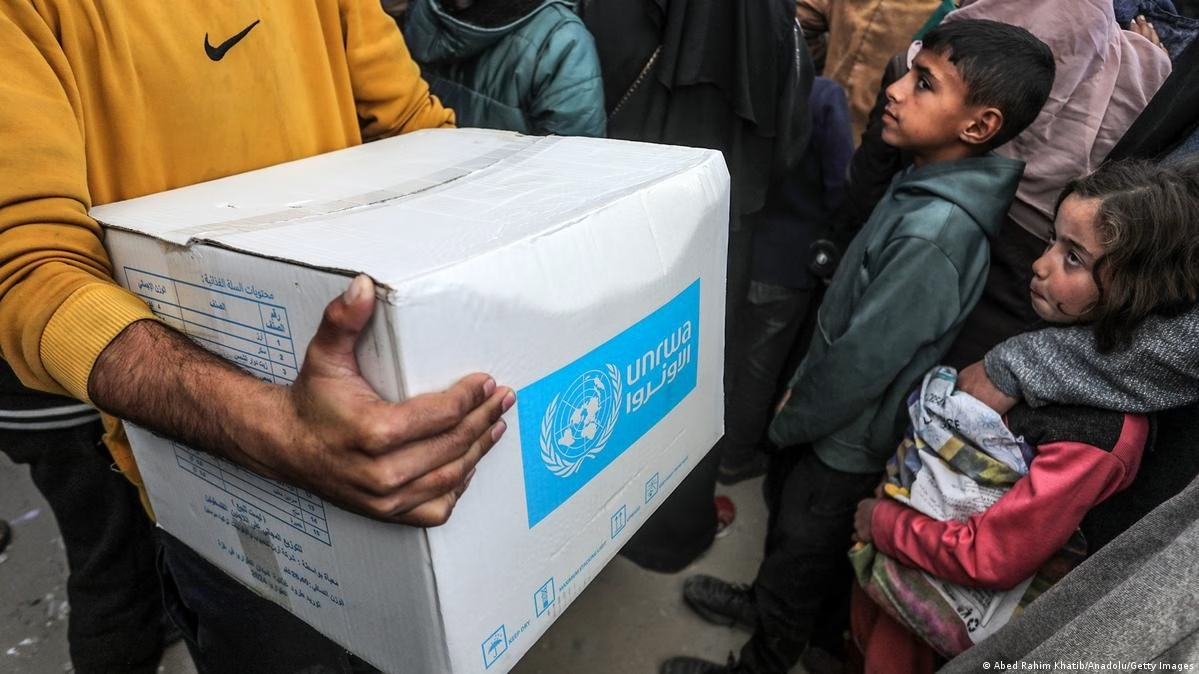
Global aid cuts pose a significant threat to global health, with dire predictions that such reductions could lead to 23 million preventable deaths by 2030, according to a recent study published in The Lancet Global Health. Over the past two decades, the support from humanitarian aid funding and development assistance has drastically decreased mortality rates, particularly in low- and middle-income countries (LMICs). However, ongoing budget reductions, especially in areas like USAID funding, jeopardize this hard-won progress and could reverse the gains made in fighting preventable diseases. With major donor nations announcing funding cuts, health crises loom larger, threatening the vulnerable populations that have benefitted the most from international aid. If these trends continue unchecked, we risk witnessing a global health crisis that echoes the devastation experienced during the COVID-19 pandemic.
The landscape of international support for vulnerable nations is rapidly changing, with significant declines in humanitarian assistance and development resources. These reductions in aid could lead to catastrophic outcomes, resulting in millions of unnecessary deaths over the next few years. Efforts to combat diseases and bolster healthcare systems in low-income regions could face increasing challenges if funding from countries like the United States and others becomes scarce. The implications of shrinking aid budgets are alarming, as deteriorating health outcomes could spiral into a broader humanitarian crisis. With community health initiatives and global solidarity at stake, understanding the consequences of these aid reductions is more important than ever.
Impact of Global Aid Cuts on Preventable Deaths
The recent findings concerning global aid cuts present alarming projections regarding preventable deaths. According to the analysis published in The Lancet Global Health, reductions in humanitarian aid funding could lead to an estimated 23 million deaths by the year 2030. This figure highlights the crucial role of official development assistance (ODA) in saving lives, specifically in low- and middle-income countries (LMICs), where a notable drop in funding is anticipated. With many aid safety nets being dismantled, the implications for public health resources are dire, threatening to reverse decades of progress made in combating preventable conditions afflicting vulnerable populations.
The data indicates that during the years of robust ODA, there was a significant drop in mortality rates due to diseases such as malaria and tuberculosis, where reductions reached as high as 70%. If global aid is slashed, this hard-earned progress may be lost, leading to a resurgence in preventable deaths, especially among children under five years of age. The analysis reveals that, while development assistance has been pivotal in addressing global health crises, the coming cuts threaten to undo these achievements, resulting in millions returning to the brink of death from treatable causes.
Forecasting the Consequences of Aid Withdrawal
Researchers have employed forecasting models to explore the consequences of ongoing aid withdrawal initiatives. Scenarios suggest that if funding levels remain low, we could witness an astounding 9.4 million global deaths, with about 2.5 million of these being children aged five and under by 2030. In more severe defunding projections, the collective death toll could soar to alarming figures, with estimates pushing towards 22.6 million. These dire predictions underscore the critical need for maintaining robust humanitarian support to ensure that recent gains in public health do not evaporate, compelling a call for renewed commitments to global health priorities.
Considering the ramifications of drastic aid cuts, it is evident that many of the world’s poorest nations could suffer the most. Projections indicate that countries in sub-Saharan Africa could face funding declines of up to 28%, leading to catastrophic outcomes for their healthcare systems. Children and vulnerable populations are likely to bear the brunt of these changes, facing increased risks of mortality. If we observe a complete halt in USAID programs, the repercussions could result in millions more preventable deaths, emphasizing the urgent necessity for sustained funding and international cooperation in the global health landscape.
The Role of USAID in Global Health Initiatives
The US Agency for International Development (USAID) has played a pivotal role in supporting health initiatives across developing nations. However, amid growing funding cuts and restructuring, concerns are mounting about the future effectiveness of these programs. The authors of the recent study express deep worries regarding the dismantling of USAID as it poses a significant threat to ongoing global health efforts. With the possibility of an overall funding decrease approximating 40%, the sustainability of vital health interventions is at stake.
Recognizing USAID’s impact is essential to understanding the gravity of the current situation. Throughout its operational history, USAID has been instrumental in facilitating humanitarian aid funding that has dramatically reduced preventable deaths. The acute restriction of resources could not only compound the challenges already faced by healthcare systems but would also dismantle frameworks that have garnered positive health outcomes across various regions. As officials consider the long-term implications of potential aid withdrawal, the prioritization of USAID programs becomes imperative to safeguard public health.
Future of Humanitarian Aid Funding
The landscape of humanitarian aid funding is rapidly changing, creating uncertainty for the future of development assistance. In 2023, the development funding reached record levels, yet sweeping budget cuts from major donor countries, including the USA, threaten to destabilize these achievements. Analysts predict that net bilateral ODA could diminish by as much as 25% in the upcoming years, threatening the fabric of healthcare infrastructure in nations reliant on international support. This trend could create a chain reaction affecting countless lives, especially in sectors sensitive to funding fluctuations.
Given the interconnectedness of global health systems, a retreat from funding can have cascading consequences. Previous commitments made by donor nations have facilitated substantial reductions in diseases that disproportionately affect impoverished communities. The decline in humanitarian aid funding not only jeopardizes the future of effective healthcare delivery but also risks reversing the significant progress made in combating preventable ailments over the past two decades. As stakeholders grapple with these challenges, the continued prioritization of health funding remains essential to avert a potential global health crisis.
The Public Health Implications of Funding Cuts
The implications of global aid cuts on public health cannot be overstated. As mentioned in the analysis, the potential loss of up to 23 million lives due to the abrupt halt or reduction of humanitarian aid highlights an impending health disaster. The critical link between development assistance and health outcomes illustrates how financial support translates directly into lives saved, especially in areas plagued by communicable diseases. As funding dwindles, so too does access to necessary treatments and preventive care, driving the poorest communities further into health despair.
Cutbacks in ODA likely lead to an increase in morbidity and mortality, particularly among vulnerable groups, including children and women. With a considerable portion of funding historically aimed at maternal and child health initiatives, the cessation of these essential resources will likely result in an increase in maternal and child mortality rates. The ongoing global health crisis demands renewed commitment to humanitarian support, as neglecting these factors may not only reverse the gains made but also exacerbate existing inequalities in healthcare access across the globe.
Global Aid Strategies for the Future
As the world navigates these precarious times characterized by significant reductions in aid funding, it becomes crucial to develop strategic frameworks that ensure the sustainability of humanitarian assistance. Innovative approaches to financing global health initiatives must be explored to bridge the impending funding gaps. Enhanced collaboration between donor countries, non-governmental organizations, and local health systems is essential to create resilient strategies for sustaining health outcomes in vulnerable communities.
Moreover, prioritizing transparency and accountability in aid distribution can help to foster trust among donor nations, encouraging ongoing investment in humanitarian efforts. By investing in local capacities and empowering communities to take charge of their healthcare needs, the world can work towards mitigating the negative effects of global aid cuts. As history demonstrates, the enduring impact of development assistance is profound, and through collective action and strategic planning, stakeholders can safeguard against the retrenchment of life-saving programs.
Advocating for Increased Funding and Support
The pressing need for increased funding and support for global health initiatives cannot be overstated. The research delineates a worrying trend of defunding, particularly in light of the significant fallout anticipated from USAID funding cuts. Advocacy efforts must be strengthened to highlight the correlation between sustained foreign aid and improved health outcomes, mobilizing public sentiment and political will to recommit to international assistance. Employing a robust advocacy plan that raises awareness of the ramifications of global aid cuts is imperative for galvanizing action towards increased support.
Mobilizing efforts that engage multiple sectors—be it healthcare professionals, policymakers, or civil society organizations—could create a multifaceted campaign aimed at restoring and improving humanitarian aid funding. By showcasing the human impact of these funding decisions through compelling narratives and data, advocates can draw attention to the dire consequences of inaction. The push for increased funding serves not only as a protective measure for health but is also fundamental for fostering global solidarity and shared responsibility in addressing worldwide crises.
Understanding the Connection Between ODA and Health Outcomes
Understanding the nexus between official development assistance (ODA) and health outcomes is vital in shaping future policies. The analysis reveals that higher levels of ODA correlate strongly with reduced mortality rates, especially in low- and middle-income countries. This insight is particularly crucial as we face proposed cuts that threaten to reverse years of hard-won progress against diseases such as HIV/AIDS and tuberculosis. It is evident that maintaining or increasing financial support for healthcare will play a significant role in preventing countless preventable deaths.
As countries and organizations emphasize health equity and access, it becomes crucial to reinforce the foundation upon which public health infrastructure is built—sustained development assistance. Investing in health systems through ODA not only yields immediate health improvements but also generates long-term economic and social benefits, thus enhancing resilience to future crises. Therefore, a commitment to uphold ODA and recognize its invaluable contribution to health outcomes is essential for securing a healthier future for communities worldwide.
The Role of Data in Shaping Aid Policies
Data plays an instrumental role in shaping aid policies and addressing global health challenges. The comprehensive study conducted by researchers utilized extensive data analysis from 93 low- and middle-income countries to highlight the critical link between development assistance and mortality reduction. This approach not only reveals the tangible benefits of sustained aid support but also underscores the need for evidence-based policymaking to guide future funding decisions. Incorporating robust data collection and analysis into aid strategies will enable countries to more effectively allocate resources where they are most needed.
As we seek to adapt to the fluctuating landscape of humanitarian aid funding, integrating real-time data and health outcomes can help identify vulnerabilities and direct support with more precision. Moreover, leveraging data can empower advocacy efforts, illustrating the direct impact of ODA on saving lives and enhancing health systems. The reliance on evidence-based strategies is critical as stakeholders navigate the complexities of global public health, ensuring that the most effective interventions are prioritized to mitigate the potential consequences of funding cuts.
Frequently Asked Questions
What are the implications of global aid cuts on humanitarian aid funding?
Global aid cuts threaten humanitarian aid funding, which has historically played a crucial role in reducing preventable deaths worldwide. With anticipated funding reductions, especially from major donor countries like the USA, the impact on vulnerable populations in low- and middle-income countries could reverse decades of progress, leading to millions of avoidable deaths by 2030.
How could USAID funding cuts affect preventable deaths?
Cuts to USAID funding are projected to exacerbate the crisis of preventable deaths, particularly among children under five. Recent analyses suggest that a severe reduction in USAID support could lead to more than 5 million child deaths by 2030, reversing the gains made in child health over the past two decades.
What is the relationship between global aid cuts and the global health crisis?
Global aid cuts are poised to intensify the global health crisis, particularly in low- and middle-income countries. Reduced funding for critical health programs, including those combating diseases like HIV and malaria, may result in a significantly higher mortality rate, undermining years of progress and increasing the risk of outbreaks.
How will development assistance be impacted by global aid cuts?
Development assistance is expected to face significant reductions due to global aid cuts. Major donor nations have begun to announce funding slashes, which could drop development assistance for health by as much as 33%. This decline threatens to reverse success in health outcomes and economic development achieved over the last twenty years.
What do recent studies say about the effects of global aid cuts on child mortality?
Recent studies reveal that global aid cuts could lead to 2.5 million additional child deaths by 2030, primarily due to the lack of funding for health programs that target childhood diseases. The significant decrease in official development assistance underscores the urgent need to maintain funding to prevent these deaths.
What potential deaths are projected due to proposed global aid funding reductions?
Projected deaths due to proposed global aid funding reductions could reach as high as 23 million by 2030 if the current trend of defunding continues. This projection highlights the critical role of ongoing humanitarian and development assistance in saving lives, particularly in low-income regions.
Why is the reduction of USAID important in the context of global aid cuts?
The reduction of USAID is crucial because it represents a significant portion of annual global aid funding. A nearly 40% cut in USAID funding could drastically impact health programs, leading to increased mortality rates, particularly in the world’s poorest regions where aid is vital for health services and disease prevention.
| Key Point | Details |
|---|---|
| Global Aid Cuts Impact | Could lead to 23 million deaths by 2030 if current funding trends continue. |
| Historical Context | Two decades of aid have significantly reduced preventable deaths worldwide. |
| Mortality Statistics | A 23% reduction in overall mortality and a 39% reduction in child deaths under 5 years due to ODA from 2002 to 2021. |
| Projected Deaths from ODA Cuts | Up to 9.4 million deaths globally; severe cuts could lead to over 22 million deaths. |
| Total ODA Trends | In 2023, total ODA reached $250.3 billion but significant donor cuts are being announced. |
| Future Outlook | Further reductions estimated at 11.3% from 2025 to 2026, with major declines in funding for health. |
| Consequences for LMICs | 14.1 million total deaths projected by 2030 if aid programs halt, particularly impacting children. |
| Human Toll | – Risks exacerbating deaths from diseases like AIDS, tuberculosis, and child mortality. |
Summary
Global aid cuts pose a serious threat, potentially resulting in 23 million deaths by 2030 based on current trends. The significant reductions in official development assistance (ODA) after years of downward trends could reverse the progress made in the past two decades, mainly affecting low- and middle-income countries. As large donor nations scale back support, the potential loss of millions of lives from communicable diseases and other health risks could mirror the devastating impacts seen during the COVID-19 pandemic. Immediate action is needed to stabilize aid funding and prevent a humanitarian crisis.
The content provided on this blog (e.g., symptom descriptions, health tips, or general advice) is for informational purposes only and is not a substitute for professional medical advice, diagnosis, or treatment. Always seek the guidance of your physician or other qualified healthcare provider with any questions you may have regarding a medical condition. Never disregard professional medical advice or delay seeking it because of something you have read on this website. If you believe you may have a medical emergency, call your doctor or emergency services immediately. Reliance on any information provided by this blog is solely at your own risk.