

Influenza activity is heating up across the United States as the flu season 2025 begins to take its toll on many states. Recent reports from the CDC reveal that 17 jurisdictions are currently seeing high or very high levels of influenza-like illness (ILI), a significant increase from the previous week. The rise in flu-related deaths, particularly among children, has added urgency for families to consider vaccination and proactive health measures. Notably, the H3N2 strain of the virus is being closely monitored, as it constitutes a majority of circulating influenza viruses. With respiratory illness statistics indicating a surge in outpatient visits and hospitalizations, it is clear that now is the time to stay informed about influenza activity and its implications this season.
As the cold months approach, the surge in flu cases reminds us of the critical importance of public health vigilance. The uptick in respiratory illnesses, primarily driven by the prevailing influenza pathogens, underscores a heightened risk for communities nationwide. Various strains, including the troublesome H3N2 subtype, emphasize the necessity for early intervention and vaccinations during this respiratory illness peak. Given the potential impact on vulnerable populations, understanding the intricacies of influenza and its associated symptoms is crucial. Monitoring health updates from authorities, such as the CDC flu update, can guide individuals and families in making informed decisions this flu season.
Current Influenza Activity in the United States
Influenza activity in the United States has intensified as the CDC reported high levels of influenza-like illness (ILI) across 17 jurisdictions, including 14 states and territories such as Puerto Rico and Washington, D.C. This significant rise indicates that the flu season for 2025 is in full swing, making it essential for individuals to be aware of the symptoms and the necessary precautions. The CDC continues to monitor the situation closely, providing updates on influenza trends and statistics to inform the public about how to stay healthy.
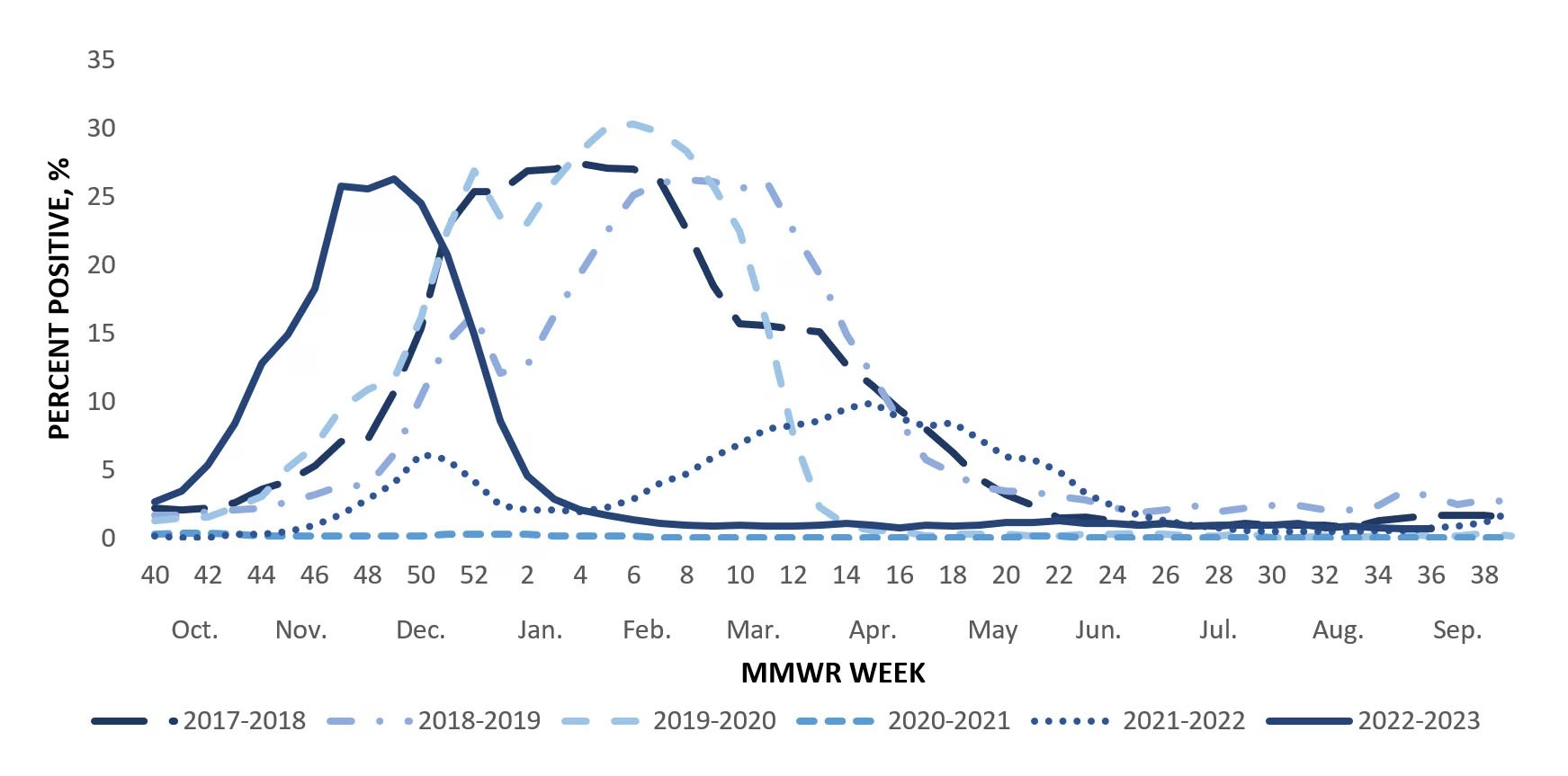
The statistics reflect a concerning trend, with outpatient visits for respiratory illnesses increasing to 4.1%, well above the national baseline of 3.1%. The rise in positive flu tests—from 8.1% to 14.8%—further emphasizes that the flu is circulating more widely, potentially leading to higher rates of influenza-related complications and deaths this season. As families gather during the holiday period, it is critical to remain vigilant about flu prevention strategies, including vaccination and hygiene practices.
Understanding the H3N2 Strain and Its Impact
The emergence of subclade K within the H3N2 strain has raised concerns for public health experts as this variant spreads across the country. The CDC noted that a staggering 89.9% of the H3N2 viruses identified this season belong to subclade K, which has been prevalent in several regions globally. This situation could pose challenges for the effectiveness of the seasonal flu vaccine, potentially leading to increased infections and hospitalizations as the flu season continues.
Public health monitoring is crucial at this time, as evidenced by the statistics showing that nearly 10,000 hospitalizations occurred last week alone due to influenza. The high rate of outpatient visits, coupled with the predominance of this H3N2 subclade, suggests a need for heightened awareness and vaccination efforts. Experts recommend that individuals, particularly those in at-risk categories, receive their annual flu vaccinations to minimize the chances of contracting this flu strain.
Despite the prevalence of the H3N2 strain, it is essential to note that severity indicators remain low at this time. Still, health agencies anticipate that influenza activity will persist through the peak season. The CDC’s continued vigilance will help guide the public on necessary responses and preventive measures throughout the flu season.
Influenza-Related Deaths and Hospitalizations
The current flu season has already recorded 1,900 flu-related deaths, highlighting the seriousness of the situation, particularly among vulnerable populations such as children. Recent reports from the CDC confirm three pediatric deaths associated with the flu this season, further emphasizing the need for timely action against influenza. Understanding the statistics behind flu fatalities is key to raising awareness and fostering a proactive approach towards vaccinations and treatment.
Hospitalizations have surged significantly, with the rate climbing to 14.3 per 100,000 residents as more individuals experience severe symptoms of influenza. As the flu season progresses, these hospitalization rates are expected to remain high, stressing healthcare systems across the nation. The CDC continues to encourage all eligible individuals to receive their flu vaccine and seek early treatment with antiviral medications if diagnosed with influenza, particularly those with underlying health conditions that increase their risk of complications.
Recommendations from the CDC for Flu Season 2025
In light of the current influenza activity in the United States, the CDC strongly recommends that everyone aged 6 months and older who has not yet received their flu vaccination do so at their earliest convenience. Vaccination is the most effective way to protect against the severe outcomes of influenza, including hospitalization and death. The agency has underscored the importance of the flu shot, particularly given the rise in hospitalizations and deaths attributed to influenza this season.
Additionally, the CDC advises the use of antiviral medications for anyone diagnosed with influenza, especially those in high-risk categories. Early initiation of antiviral treatment can help mitigate the severity of the illness and reduce the likelihood of complications. As the flu season progresses, staying informed about vaccination opportunities and treatment options remains crucial for public health safety.
RSV and COVID-19 Trends Amid Flu Season
While influenza activity surges, other respiratory illnesses such as RSV (Respiratory Syncytial Virus) and COVID-19 remain relatively low but are showing an increase. The CDC indicates that national COVID-19 cases are rising slowly, which is something to monitor closely as it could impact healthcare resources throughout the flu season. Individuals should remain vigilant about flu and COVID-19 prevention measures, including vaccination and public health guidelines.
Although RSV cases are lower than their peak in late 2024, they are still noteworthy compared to pre-pandemic levels. Parents should be particularly aware of the symptoms associated with RSV, especially in young children who may require hospitalization. The elevated levels of respiratory illnesses emphasize the importance of vaccination against flu and COVID-19 this season, in order to provide comprehensive protection for individuals and communities.
Flu Season Statistics and Predictions
As we delve deeper into flu season, the statistics released by the CDC paint a stark picture of the impact of influenza this year. With estimates of at least 4.6 million flu cases and nearly 50,000 hospitalizations, the data underscores the urgency of receiving the flu vaccine. Health experts expect these numbers to rise as more cases are reported, particularly during the holiday season when gatherings are more frequent.
Furthermore, the CDC anticipates that hospitalization rates will continue to escalate as the peak of the flu season approaches. It is crucial for communities to engage in preventive measures, including vaccination and public health practices, to reduce transmission rates. This flu season poses a significant challenge, highlighting the ongoing need for public health education and engagement.
The Importance of Vaccination in Preventing Influenza
Vaccination remains one of the most effective strategies in combating influenza, especially during the 2025 flu season. The CDC encourages everyone to prioritize getting their flu shot as it offers the best protection against the virus and its potential complications. Vaccination helps to create herd immunity within communities, thereby shielding those who are unable to receive the vaccine due to medical reasons.
Research supports the efficacy of the flu vaccine in reducing the severity of symptoms and the risk of complications, such as hospitalization or death. As influenza activity escalates, it is imperative for individuals to stay informed about vaccination options and make appointments to receive their flu shot, particularly before peak flu season.
Monitoring Influenza Activity: The Role of the CDC
The Centers for Disease Control and Prevention (CDC) plays a vital role in monitoring influenza activity across the United States. Through their ongoing surveillance, they provide crucial updates on flu statistics, trends, and predictions which are essential for public awareness. The CDC’s regular updates offer critical information that can guide both individual and community health decisions regarding flu prevention.
Additionally, the CDC collaborates with public health departments and laboratories nationwide to track the spread of different influenza strains and their impact on the population. This data is invaluable, especially with the rise of the H3N2 subclade K and its implications for vaccine effectiveness. By staying informed through these reports, individuals can take proactive steps to safeguard their health during flu season.
Conclusion: Preparing for the Peak Flu Season
As we prepare for what is expected to be a challenging peak flu season for 2025, individuals and families are encouraged to take preventive measures seriously. This includes obtaining flu vaccinations, practicing good hygiene, and staying informed via health updates from agencies like the CDC. Such actions can significantly reduce the risk of contracting influenza and help protect vulnerable populations.
In conclusion, awareness and preparedness remain essential in navigating the current influenza landscape. By understanding the data and taking heed of the recommendations provided by health organizations, we can all contribute to minimizing the impacts of influenza-related diseases in our communities.
Frequently Asked Questions
What is the current influenza activity level in the United States for the flu season 2025?
As of the most recent CDC flu update, influenza activity in the United States has surged, with 17 jurisdictions, including 14 states, Puerto Rico, Washington, DC, and New York City, reporting high or very high levels of influenza-like illness (ILI).
How has the H3N2 strain affected influenza activity this season?
The H3N2 strain has been notably prominent this flu season, with 89.9% of influenza A viruses subtyped being H3N2, and 89.8% of these belonging to the subclade K variant. This raises concerns about a potential mismatch with the seasonal flu vaccine.
What are the recent statistics on influenza deaths during the flu season 2025?
So far in the 2025 flu season, the CDC has reported 1,900 flu-related deaths, including three pediatric fatalities attributed specifically to H3 strains, indicating a significant impact of influenza on public health.
What are the hospitalization rates related to respiratory illnesses during the current flu season?
The weekly hospitalization rate for respiratory illnesses has risen to 14.3 per 100,000 residents, showing an increase from the previous week, with nearly 10,000 hospital admissions due to influenza last week.
How does the CDC suggest managing influenza illness amid rising activity?
The CDC recommends that everyone aged 6 months and older receive their seasonal influenza vaccination. Antiviral medications are also advised for treating flu illness, especially for those at higher risk, and should be started as soon as possible.
What does the CDC’s data say about respiratory illness statistics during the flu season?
Recent data from the CDC indicates that the percentage of respiratory viruses testing positive for flu has climbed from 8.1% to 14.8%, and outpatient visits for respiratory illness increased to 4.1%, which is significantly above the national baseline of 3.1%.
How is the CDC monitoring the flu season activity for 2025-2026?
The CDC is closely monitoring flu season activity and plans to provide weekly updates, noting sustained elevated activity across multiple key indicators, with more comprehensive updates expected, such as the next FluView update on December 30.
| Key Indicator | Current Status |
|---|---|
| Jurisdictions with High ILI Levels | 17 (14 states, Puerto Rico, Washington, DC, New York City) |
| New Flu-Related Deaths in Children | 2 (both linked to H3 strains) |
| Percentage of Respiratory Viruses Testing Positive for Flu | Increased from 8.1% to 14.8% |
| Outpatient Visits for Respiratory Illness | Increased from 3.2% to 4.1% |
| Weekly Hospitalization Rate for Respiratory Illness | 14.3 per 100,000 residents |
| Estimated Flu Cases This Season | Approximately 4.6 million |
| Seasonal Flu Vaccine Recommendations | Recommended for everyone aged 6 months and older |
Summary
Influenza activity has surged in the United States, with significant increases in both flu-related indicators and cases reported by the CDC. The current flu season indicates an urgent public health response, as high levels of influenza-like illness spread across numerous jurisdictions. Vaccine uptake is crucial to manage this outbreak effectively, underscoring the importance of timely vaccinations ahead of peak family gatherings this winter.
The content provided on this blog (e.g., symptom descriptions, health tips, or general advice) is for informational purposes only and is not a substitute for professional medical advice, diagnosis, or treatment. Always seek the guidance of your physician or other qualified healthcare provider with any questions you may have regarding a medical condition. Never disregard professional medical advice or delay seeking it because of something you have read on this website. If you believe you may have a medical emergency, call your doctor or emergency services immediately. Reliance on any information provided by this blog is solely at your own risk.