

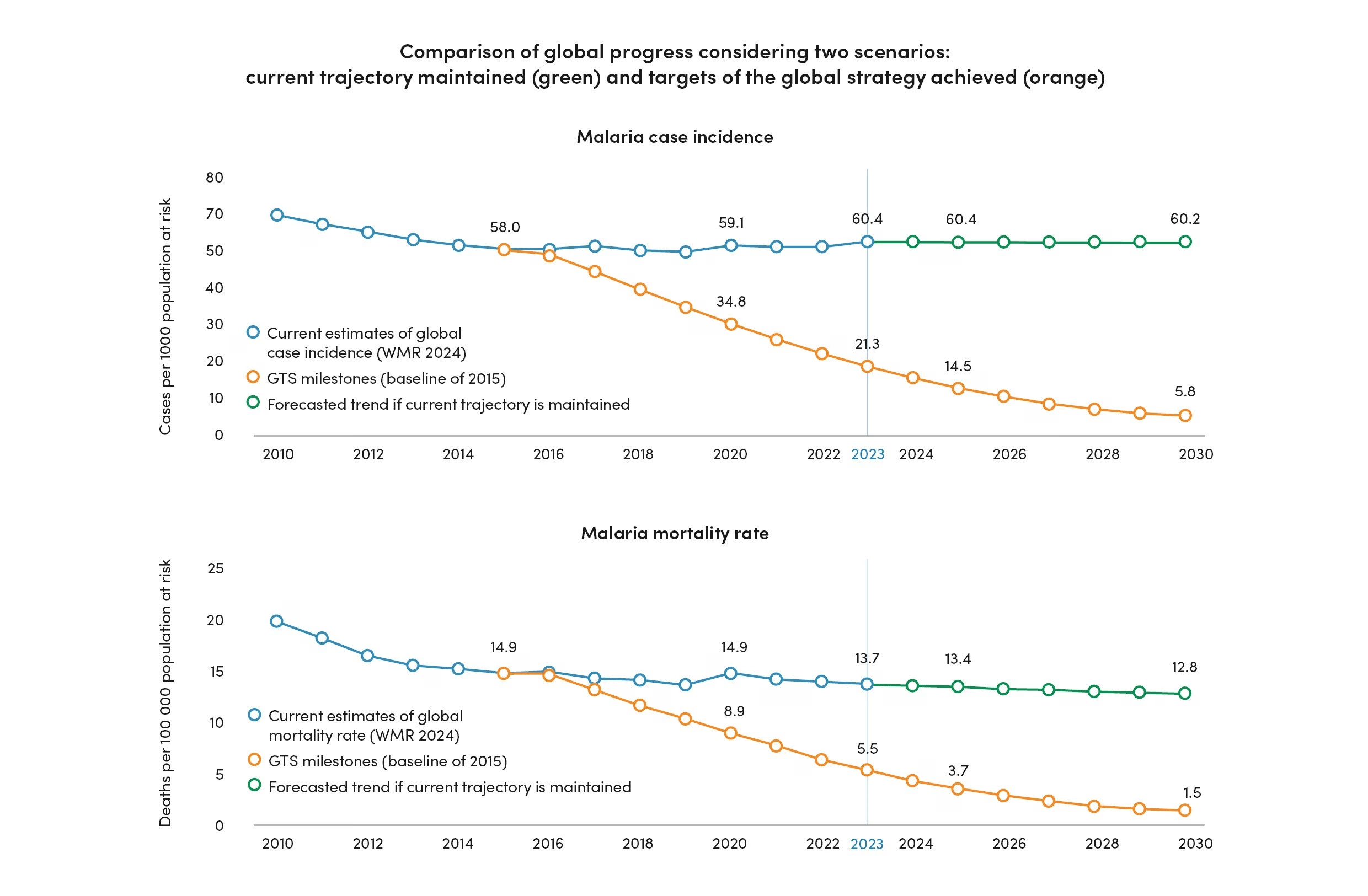
As highlighted in the recent WHO malaria report, significant progress has been made in the fight against malaria, marking a hopeful chapter in global health. The WHO indicates that 47 countries have successfully eliminated this mosquito-borne disease, with five nations earning certification as malaria-free by 2024 and 2025. Despite these victories, malaria remains a formidable adversary, contributing to an estimated 610,000 malaria deaths in 2024 alone, predominantly among children in Africa. The emergence of malaria resistance to both insecticides and critical treatments poses serious challenges to ongoing elimination efforts, threatening the gains achieved so far. With ambitious goals, including the anticipated rollout of malaria vaccines in 2025, it is imperative that global stakeholders recommit to strategies that will mitigate further malaria deaths and accelerate our path toward eradication.
The ongoing battle against the deadly disease known as malaria has seen noteworthy advancements, yet critical challenges persist. Various anti-malaria initiatives have resulted in remarkable outcomes, including the eradication of malaria in numerous territories and the introduction of innovative vaccines. However, experts are sounding alarms about the rising malaria deaths expected in 2024, with children bearing the brunt of this preventable illness. Furthermore, drug and insecticide resistance represents a growing concern that can undermine effective treatment strategies. As the health community rallies to implement solutions for malaria elimination, the commitment to sustaining progress against this persistent threat remains essential.
The Current State of Malaria Progress
The latest WHO malaria report reveals a significant level of progress in combating malaria, particularly with an increase in the number of malaria-free countries. As of the recent findings, 47 countries have accomplished eliminating malaria, with five countries earning certification as malaria-free between 2024 and 2025. This success highlights the effectiveness of public health interventions and collaborations in addressing this global health challenge. However, despite these commendable achievements, the surge in reported malaria cases raises concerns about sustainability and the need for continued efforts in malaria elimination.
In 2024, an alarming estimate of 280 million cases was recorded along with 610,000 malaria deaths. This stark rise in cases indicates that while progress in treatment and prevention exists, greater attention is essential in maintaining momentum towards ending malaria-related deaths. A staggering 95% of these malaria deaths involved children in Africa, underscoring the urgent need for targeted strategies and resource allocation to protect vulnerable populations against this preventable disease.
Innovations in Malaria Vaccines and Treatments
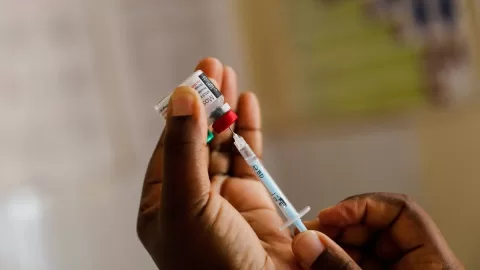
The introduction of malaria vaccines is a pivotal stride towards malaria elimination, with two WHO-recommended vaccines—RTS,S and R21/Matrix-M—expanding their reach in 2024. These vaccines have been critical in major malaria-endemic regions, as evidenced by 14 countries managing to roll them out successfully. The impact is significant, with reports of at least 2.1 million children being vaccinated, which could ultimately contribute to a reduction of up to half a million child deaths by 2035. Ensuring effective implementation of these vaccines in high-transmission areas is paramount for halting the cycle of malaria infections.
In addition to vaccines, the distribution of insecticide-treated nets (ITNs) is another cornerstone of malaria prevention strategies. In 2024, approximately 181 million ITNs were given out, aiming predominantly at sub-Saharan Africa, significantly impacted by rising insecticide resistance in mosquito populations. To counteract this resistance, innovative formulations involving piperonyl butoxide (PBO) are being incorporated into these nets to enhance their efficacy against resistant mosquito strains, ensuring that the tools for malaria prevention keep pace with the evolving challenges.
Challenges Facing Malaria Elimination Efforts
Despite some positive advancements, the fight against malaria is hindered by emerging threats such as resistance to treatment drugs and insecticides. Among these challenges is the alarming rise of artemisinin resistance in Africa, a region where more than two-thirds of malaria cases occur. This growing resistance compromises the efficacy of artemisinin-combination therapies (ACTs), which have significantly lowered malaria-related deaths over the years. The WHO has reported the presence of *pfhrp* 2 gene deletions in malaria parasites, complicating diagnosis and treatment options.
Other factors that exacerbate malaria’s grip include climate change, which can increase the frequency of malaria outbreaks, and geopolitical instability that limits access to necessary healthcare. The potential reduction in funding for malaria programs from major contributors, such as the United States, further threatens the collective drive for malaria elimination. Global collaboration and increased domestic commitment are vital to address these challenges, ensuring continued progress and resilience in malaria control strategies.
The Impact of Global Collaboration on Malaria Control
Global solidarity has proven to be an essential factor in combating malaria, with collaborative efforts among countries, organizations, and health agencies yielding remarkable results. The sharing of resources, information, and best practices has accelerated malaria prevention and treatment programs in many regions. By harnessing the strength of international partnerships, countries can enhance capacity building and drive innovations in malaria control strategies. This teamwork is particularly critical in areas facing severe malaria burden, where limited resources necessitate a united approach.
Furthermore, international support is vital to bolster funding and mobilize a comprehensive response to malaria. The WHO emphasizes the importance of countries transforming political will into concrete resources and actions. Strengthened partnerships with non-governmental organizations, local communities, and health authorities serve as a model for effective interventions, resulting in the accelerated development and distribution of malaria vaccines and treatments. In facing the multifaceted challenges of malaria, collaboration remains a cornerstone of successful health initiatives.
Rising Insecticide Resistance: A Growing Concern
The problem of insecticide resistance is gaining significant attention, particularly as malaria control strategies increasingly depend on insecticide-treated nets (ITNs). The WHO reported widespread resistance among mosquito populations to pyrethroids, the active ingredient in most ITNs, in 48 countries. This resistance not only diminishes the effectiveness of existing nets but also jeopardizes ongoing malaria control efforts and risks a resurgence in malaria transmission rates. To address this pressing issue, there is an urgent need for the development and distribution of new insecticide formulations.
In response, innovative solutions, such as the integration of piperonyl butoxide (PBO) into ITNs, have been introduced as a means to combat this resistance. Studies have demonstrated that PBO-enhanced nets can significantly improve mosquito mortality rates and have provided crucial evidence for WHO’s updated recommendations. Collaborating across sectors to continually adapt and enhance malaria prevention tools will be essential in ensuring sustained progress against malaria, especially in regions experiencing high levels of resistance.
The Role of Seasonal Malaria Chemoprevention
Seasonal malaria chemoprevention (SMC) represents a proactive approach in reducing malaria transmission during peak season. Through administering preventative antimalarial drugs, particularly to children in high-transmission areas, SMC has shown to drastically reduce the incidence of malaria cases. The expansion of this initiative in 20 countries, reaching an estimated 54 million children in 2024, demonstrates its significant potential for impacting malaria elimination efforts, especially where transmission rates are closely correlated with seasonal patterns.
Implementing SMC effectively requires coordinated efforts between health ministries, local communities, and international organizations to ensure the drugs are available and adequately administered. The success of SMC lies not only in pharmacological intervention but also in education and raising awareness within communities about malaria risks and treatment options. By fostering community engagement and embedding SMC within broader malaria strategies, we can make substantial strides toward reducing malaria morbidity and mortality.
Future Directions for Malaria Control Strategies
Looking ahead, the global malaria community must prioritize adapting strategies in response to emerging challenges and resistance patterns. The WHO has set forth ambitious goals for malaria elimination, including enhancing surveillance, increasing funding for research, and fostering partnerships for innovation in treatment and prevention methods. Continued investment in malaria-related research will be critical to identify and develop next-generation vaccines and effective therapeutics, particularly in regions facing escalating resistance and transmission.
Furthermore, leveraging technology and data analytics for better disease planning and response can transform how malaria control efforts are organized and executed. Enhanced predictive models, informed by real-time data, can lead to tailored interventions that result in reduced transmission rates and fewer complications from malaria. The path ahead necessitates a comprehensive and integrated approach to malaria control, where lessons from the successes and hardships in battling malaria can guide future actions.
The Importance of Awareness and Education
Public awareness and education play a pivotal role in malaria prevention and control. Empowering communities with knowledge about malaria transmission, risks, and effective prevention strategies contributes to enhanced individual and collective responsibility in combating the disease. Educational campaigns focusing on the significance of ITN use, vaccination, and seasonal preventive measures can effectively motivate behavior changes that lead to lower transmission rates.
Moreover, engaging local leaders and healthcare workers in advocacy efforts helps demonstrate a united front against malaria. When communities are informed and invested in their health, it fosters a strong foundation for public health initiatives and encourages participation in malaria control programs. A well-informed populace is essential for sustaining gains and achieving lasting impacts in the fight against malaria.
The Global Impact of Climate Change on Malaria Outbreaks
Climate change presents an underappreciated yet significant driver of malaria resurgence and transmission. Changes in temperatures and rainfall patterns can expand the geographical range of malaria vectors, leading to increased transmission rates in new regions. As warmer temperatures hover over traditionally malaria-free zones, the potential for increased outbreaks becomes a pressing concern for public health officials around the world. This phenomenon underscores the need for adaptable and responsive malaria control strategies that take these environmental changes into account.
Moreover, climate variables can exacerbate existing vulnerabilities in malaria-affected populations, particularly in areas with limited healthcare infrastructure and resources. Enhanced surveillance, driven by climate data, can inform public health initiatives and optimize resource allocation in anticipation of malaria outbreaks. In this context, addressing climate-related challenges in malaria-endemic regions is vital for sustaining progress toward global malaria elimination goals.
Frequently Asked Questions
What progress has the WHO reported regarding malaria elimination recently?
The WHO’s recent report highlights significant progress in malaria elimination, noting that 47 countries have eliminated the disease with five certified malaria-free in 2024 and 2025. However, challenges remain as malaria deaths in 2024 reached 610,000, predominantly affecting children in Africa.
How many malaria vaccines are expected to be available by 2025?
By 2025, the WHO anticipates enhanced deployment of malaria vaccines, particularly RTS,S and R21/Matrix-M, which have already shown promise in reducing severe malaria cases in children. These vaccines aim to prevent up to half a million child deaths from malaria by 2035.
What are the current concerns about malaria resistance as noted in the WHO report?
The WHO report raises alarming concerns about growing resistance to key malaria treatments, including insecticides used in mosquito nets and artemisinin-based therapies. Resistance is significantly increasing in Africa, complicating malaria control efforts and threatening to undo progress achieved in recent years.
How did malaria deaths trend in 2024 according to the WHO malaria report?
In 2024, malaria deaths were estimated at 610,000, which reflects an increase over the previous year, raising concerns about the efficacy of current malaria intervention strategies and the urgent need for enhanced efforts towards both malaria elimination and treatment.
What role do insecticide-treated nets (ITNs) play in malaria control, according to recent findings?
In 2024, over 181 million insecticide-treated nets (ITNs) were distributed in malaria-endemic regions, which are vital for controlling mosquito populations. The introduction of new ITNs containing piperonyl butoxide (PBO) aims to combat resistance to existing insecticides and maintain ITN effectiveness.
What initiatives are being taken to combat malaria deaths in children?
To combat malaria deaths among children, the WHO has expanded the use of two malaria vaccines and seasonal malaria chemoprevention, which involves providing antimalarial drugs to children during peak transmission seasons, potentially saving numerous young lives.
What alarming trends are noted regarding artemisinin resistance in malaria treatment?
The WHO has expressed serious concern about partial artemisinin resistance in several African countries, which threatens the effectiveness of artemisinin-combination therapies (ACTs) that have been crucial in reducing malaria-related morbidity and mortality.
What future actions are recommended by the WHO to sustain progress against malaria?
The WHO calls for countries to enhance their malaria response through increased funding, political will, and global partnerships to sustain and further progress in malaria control and elimination efforts.
| Key Points | Details |
|---|---|
| Malaria Elimination Progress | WHO reports 47 countries have eliminated malaria, with 5 certified as malaria-free in 2024 and 2025. |
| Existing Malaria Cases and Deaths | In 2024, there were an estimated 280 million malaria cases and 610,000 deaths. |
| Impact on Children | 95% of malaria deaths in 2024 occurred in African children. |
| Insecticide Resistance | Resistance to insecticides is rising, impacting the effectiveness of insecticide-treated nets (ITNs). |
| Vaccine Distribution | 14 countries introduced malaria vaccines in 2024, with 2.1 million children vaccinated. |
| Seasonal Malaria Chemoprevention | Implemented in 20 countries, reaching approximately 54 million children in 2024. |
| Artemisinin Resistance | Partial artemisinin resistance is a growing concern in Africa. |
| External Threats | Climate change, conflict, and reduced funding threaten malaria progress. |
Summary
Malaria progress continues to demonstrate both remarkable advances and serious challenges. The WHO’s report reveals that while significant strides have been made in eliminating malaria in numerous countries, the overall burden of the disease remains heavy, particularly among vulnerable children in Africa. Rising insecticide and drug resistance, alongside external threats such as climate change and political instability, pose significant obstacles to achieving global malaria targets. Addressing these challenges requires renewed commitment and collaboration to maintain and accelerate progress against malaria.
The content provided on this blog (e.g., symptom descriptions, health tips, or general advice) is for informational purposes only and is not a substitute for professional medical advice, diagnosis, or treatment. Always seek the guidance of your physician or other qualified healthcare provider with any questions you may have regarding a medical condition. Never disregard professional medical advice or delay seeking it because of something you have read on this website. If you believe you may have a medical emergency, call your doctor or emergency services immediately. Reliance on any information provided by this blog is solely at your own risk.