

The South Carolina measles outbreak has reached alarming proportions, with the state’s Department of Public Health (DPH) confirming an unprecedented 700 cases, significantly contributed by the 416 reported in 2026 according to the CDC. As the nation grapples with a potential loss of measles elimination status, which had been declared in 2000, public health officials are raising concerns about the implications of this surge. Spartanburg County is particularly hard-hit, accounting for 668 of the reported cases, making it a focal point for health measures. This outbreak underscores the urgent need for improved public health vaccinations as nearly 94% of those infected are either unvaccinated or lack vaccination history. With the CDC announcing that measles cases are on the rise nationally, the situation in South Carolina serves as a critical reminder of the importance of vaccination in preventing further outbreaks.
In South Carolina, a significant outbreak of measles has emerged, corresponding to what many are calling the ‘2026 measles crisis.’ The impact of this epidemic extends far beyond state borders, posing a serious threat to public health vaccination efforts nationwide. As fears escalate regarding the country’s measles elimination status, the ongoing rise in cases, particularly in areas such as Spartanburg, highlights an urgent need for concerted action. Health experts continue to stress the necessity of immunization to protect communities from this preventable disease. This situation not only reflects local challenges but also the broader issues of vaccine hesitancy and public health preparedness in the face of infectious disease resurgence.
Understanding the South Carolina Measles Outbreak: Current Situation
The South Carolina measles outbreak has become a significant public health concern as the state’s Department of Public Health reported a staggering 700 cases. Recent data from the CDC confirms that 416 of these cases occurred in 2026 alone, highlighting an alarming resurgence of the virus. The outbreak is predominantly concentrated in Spartanburg County, which accounts for 668 of the 700 reported cases, reflecting a troubling trend that could jeopardize the state’s efforts at maintaining measles elimination status. While South Carolina had previously regained its elimination status in 2000, this recent uptick in cases casts doubt on the future of that achievement, prompting urgent public health responses.
Health officials are deeply concerned that the increasing number of measles cases is indicative of a broader issue related to vaccination rates. With the CDC’s recent report showing 2,255 confirmed cases nationwide in 2022, the implications of the South Carolina outbreak extend beyond state lines. The evidence shows that 94% of affected individuals in the U.S. were either unvaccinated or had an unknown vaccination status, emphasizing the fundamental importance of public health vaccination initiatives in curbing further outbreaks. An immediate response to this crisis is critical to prevent further spread in the community.
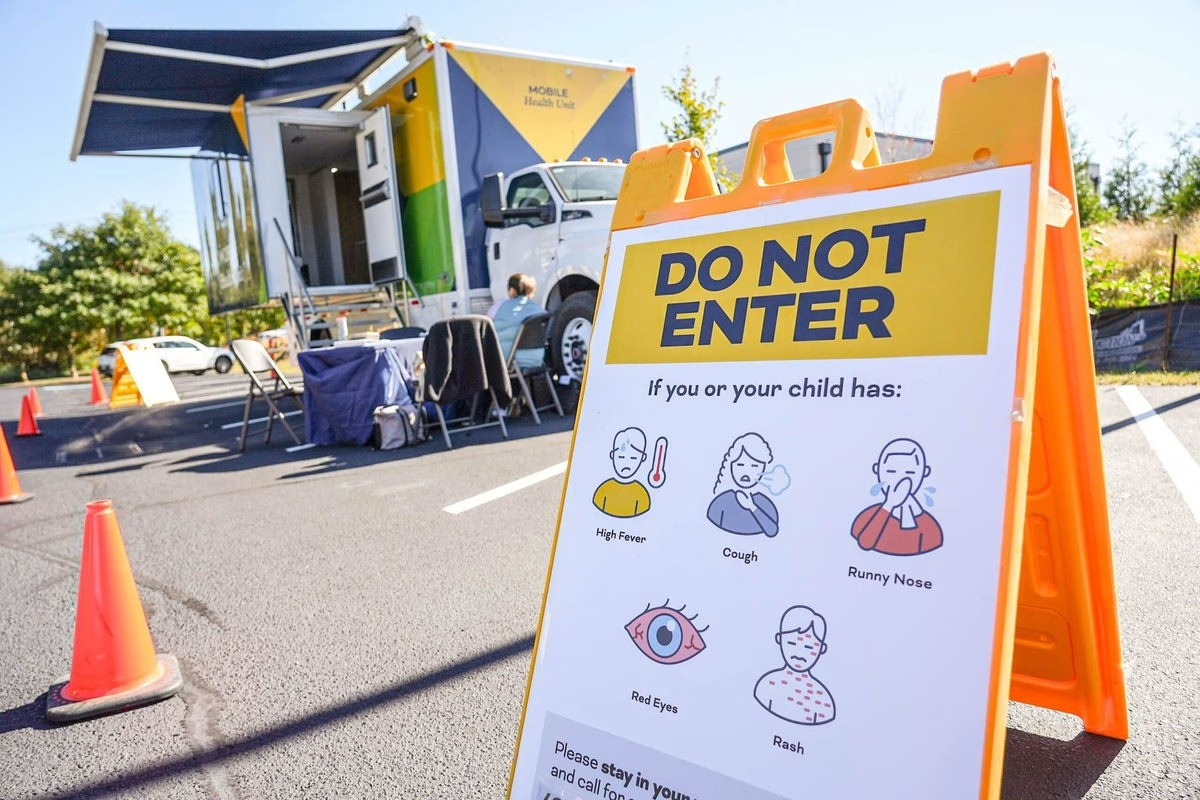
The situation is dire in Spartanburg with numerous public exposure sites identified, including elementary schools, fitness centers, and various retail locations. As health officials work to contain the outbreak, 485 individuals are currently in quarantine, while 10 cases are isolated for further observation. The South Carolina DPH emphasizes the importance of immediate vaccination in halting the spread of measles. They urge parents and guardians to check vaccination records and ensure their children are up to date on their measles vaccinations, adhering closely to guidelines set forth by health authorities.
Implications of Measles Outbreak on Public Health
The recent measles outbreak raises significant implications for public health, particularly concerning vaccination efforts as a critical tool for disease prevention. South Carolina’s current vaccination rate stands at 91%, which falls short of the 95% herd immunity threshold necessary to effectively prevent outbreaks. This lack of immunity among the population may very well be contributing to the high incidence of measles cases being reported. The information from health officials reinforces the potential threats posed by lower vaccination rates, suggesting that communities are at substantial risk for resurgences of preventable illnesses like measles if these figures do not improve.
Moreover, this outbreak converges with the reflection on the CDC’s statistics, which indicate a troubling trend in both local and national cases. The fallout from not achieving measles elimination status can have lasting effects on the state’s public health infrastructure, impacting not only health outcomes but also public trust in health and vaccination campaigns. The continued emergence of cases is a clarion call for heightened awareness and engagement in public health vaccination initiatives to combat misinformation and reinvigorate commitment to preventive health measures.
Federal officials have expressed concerns about dismissing the seriousness of the outbreak and its implications. Ralph Abraham, MD, from the CDC, has suggested that the observed increase could stem primarily from international travel rather than local transmission, which contradicts evidence indicating that the majority of South Carolina’s cases are domestically sourced. This viewpoint risks undermining efforts to advocate for higher vaccination rates locally and can lead to complacency in public health messaging. It’s vital for health authorities to bolster their public communication strategies, ensuring community members understand the importance of vaccination against measles and the consequences of the current outbreak, thereby fostering a more informed public.
Strategies for Increasing Vaccination Rates
In light of the ongoing measles outbreak, health officials in South Carolina are advocating for comprehensive strategies to increase vaccination rates across the state. Given the clear correlation between vaccination coverage and outbreak occurrences, educational campaigns aimed at dispelling myths around vaccinations are paramount. These campaigns should focus on delivering factual information about the safety and efficacy of the measles vaccine, particularly targeting parents of school-age children, who are crucial in the fight against this infectious disease.
Additionally, partnerships with local organizations and community leaders can enhance outreach efforts to under-vaccinated populations. Mobile vaccination clinics and community events focused on providing vaccinations without barriers can help address the lower vaccination rates observed in certain demographics. By ensuring access to vaccinations and eliminating logistical hurdles, South Carolina can work towards reaching the herd immunity threshold necessary for measles elimination.
Moreover, the role of schools in promoting vaccination cannot be overstated; they serve as crucial platforms for public health initiatives. Implementing vaccination requirements for school enrollment, alongside educational programs about the dangers of measles and the importance of immunization, can significantly raise awareness and compliance among parents. Furthermore, public health authorities should consider revisiting policies surrounding vaccination education in schools, making sure teachers and students are well-informed about the importance of measles vaccinations. Engaging parents through informative sessions and direct communication can also lead to an increase in vaccination rates, ultimately contributing to a healthier community and reducing the risk of future outbreaks.
The National Response to the Measles Crisis
The nationwide response to the recent measles surge is crucial in shaping the future of public health strategies across the United States. The CDC has taken an active role in monitoring and reporting measles cases, providing valuable data and analysis to facilitate appropriate responses to outbreaks. The distressing statistics from 2022 highlight the need for a coordinated national strategy to ensure effective measles elimination status is not just regained but maintained long-term. Health officials stress that the collective efforts of states must align to combat measles effectively, focusing on enhancing vaccination rates among vulnerable populations.
As the U.S. grapples with the repercussions of these outbreaks, the Pan American Health Organization’s outreach to discuss regional measles vaccination strategies emphasizes the transnational nature of public health challenges. The implications of these discussions are profound, underscoring the necessity for collaboration across borders in vaccine distribution and educational campaigns, highlighting that diseases like measles do not recognize geographic boundaries. Comprehensive strategies that involve local, state, and federal cooperation are vital to ensuring robust public health responses to future public health emergencies.
Moreover, this crisis serves as a pivotal moment for health advocacy groups and policymakers to push for enhanced public health funding and resources dedicated to vaccination research and public awareness. Initiatives aimed at educating communities about the importance of immunization will be critical to restoring confidence in vaccines. Facing the realities of lower vaccination rates and higher incidence of measles, stakeholders must advocate for more robust public health messaging and initiatives that emphasize community health over individual choice when it comes to vaccination practices. Understanding the interconnectedness of public health within a larger global context can fortify efforts in combating not only measles but other preventable diseases as well.
Community Engagement in Combating Measles Outbreaks
Community engagement plays a vital role in addressing the measles outbreak and is essential for increasing vaccination rates among residents. Grassroots initiatives that involve community leaders and local organizations can significantly aid in informing and mobilizing populations towards vaccination efforts. By creating localized campaigns, health officials can tailor their messages to address specific concerns and cultural perspectives surrounding vaccination, ultimately fostering a sense of community responsibility in safeguarding public health against outbreaks of diseases like measles.
Moreover, community events that provide free vaccinations, in partnership with healthcare providers, can help encourage families to prioritize immunization. By simplifying access to vaccinations through visible, accessible community resources, health officials can effectively build trust and reduce hesitance towards vaccination. Engaging families in discussions around the importance of herd immunity and the risks associated with measles outbreaks is crucial in cultivating a culture of preventive health practices, thus supporting broader public health goals.
Additionally, leveraging technology and social media can enhance community outreach efforts, particularly among younger demographics who may seek information online. Social media campaigns that utilize influencers or local figures to promote vaccination can break down barriers caused by misinformation and encourage vaccine acceptance during this measles outbreak. Engaging with communities through platforms they actively use makes health communications more relatable and impactful, thus encouraging more parents to consider vaccinating their children. Effective community engagement not only addresses immediate outbreak concerns but also lays the groundwork for long-term improvements in public health practices.
The Role of Educational Institutions in Vaccination Efforts
Educational institutions are the frontline in the battle against measles and play a critical role in promoting vaccination efforts. Schools serve as a significant point of contact for health officials to disseminate important information regarding vaccination schedules and requirements. Implementing strong policies that require up-to-date vaccinations for enrollment helps ensure that children are protected against preventable diseases like measles. Not only does this measure support herd immunity, but it also fosters a culture of health consciousness among students and parents alike.
Moreover, schools can be instrumental in hosting vaccination drives or informational sessions where healthcare professionals discuss the importance of measles immunization. By engaging parents directly within the school setting, institutions can address common misconceptions about vaccines and emphasize their role in protecting the wider community. As a result, educational institutions not only facilitate access to vaccinations but also play a part in shaping positive attitudes towards immunization, which is crucial in preventing future outbreaks.
Furthermore, integrating vaccination education into health curricula can bolster understanding among students about the importance of immunizations. Teaching children about the science behind vaccines, how they work, and the history of outbreaks can empower them to advocate for their health and well-being. Additionally, educating students on the societal impacts of vaccination can inspire a commitment to community health, prompting them to inform their families and peers about the necessity of vaccinations against diseases like measles. By making education a priority, schools can contribute significantly to the eradication of diseases through informed and proactive vaccination practices.
Addressing Vaccine Hesitancy Through Awareness Programs
Vaccine hesitancy is a growing concern that public health officials must address, particularly in light of the current measles outbreak. Awareness programs designed to tackle vaccine skepticism must focus on building trust and providing transparent, evidence-based information regarding vaccines. Misinformation surrounding vaccines has led to increased hesitancy, which directly correlates with rising cases of measles, particularly in states like South Carolina. To counter this trend, public health campaigns should actively engage with communities to dispel myths and misunderstandings about vaccinations.
Implementing community forums where health professionals address questions, share real-life testimonials, and highlight the safety and efficacy of vaccines can effectively alleviate concerns. Involving local advocates who share relatable experiences can further strengthen these initiatives, providing a grassroots approach to overcoming hesitancy. By fostering open dialogue about vaccinations, public health officials can direct community conversations towards the scientific consensus and unite efforts to protect public health.
Moreover, digital campaigns can also serve as effective tools in combating vaccine hesitancy. Utilizing social media platforms, informational websites, and interactive educational content can reach a broad audience, engaging various demographics in discussions about the importance of measles vaccinations. By tailoring messages to demystify vaccines and share stories of families who have vaccinated their children, these campaigns can promote a positive narrative around the significance of immunization. It is imperative that the public health community remains vigilant about addressing vaccine hesitancy and continues to adapt strategies to inform and educate the public in this critical moment.
The Significance of Collaborative Public Health Initiatives
Collaborative public health initiatives have become increasingly crucial in tackling the challenges posed by the ongoing measles outbreak in South Carolina and beyond. These initiatives require partnerships between local health departments, schools, community organizations, and healthcare providers to ensure a unified approach to vaccination and outbreak response. By pooling resources and expertise, stakeholders can create comprehensive strategies that effectively address vaccination misinformation, access barriers, and community outreach challenges.
Such collaborations can lead to the development of community vaccination clinics that provide not only immunizations but also education and support services. For instance, engaging healthcare providers to offer immunizations during school events or local community fairs can significantly increase access to vaccines for underrepresented populations. Furthermore, establishing consistent communication among different public health entities ensures a cohesive strategy and optimizes the allocation of resources, ultimately achieving better health outcomes.
Additionally, collaborative public health initiatives can ignite momentum for systemic change in vaccination policies. By aligning the priorities of different stakeholders, comprehensive advocacy efforts can be made to push for legislation that strengthens vaccination requirements in schools and ensures equitable access to vaccines for all communities. As South Carolina faces the consequences of declining vaccination rates, it is essential for local and state health authorities to mobilize collaborative networks that address the underlying challenges while promoting the importance of maintaining and improving measles elimination status.
Frequently Asked Questions
What is the current status of the South Carolina measles outbreak as of 2026?
As of 2026, the South Carolina measles outbreak has escalated to 700 confirmed cases, with 416 of these cases reported in the current year. This alarming increase poses a risk to the state’s measles elimination status.
How has the CDC reported on measles cases in relation to the South Carolina measles outbreak?
The CDC has reported that South Carolina accounts for 338 of the 416 confirmed measles cases nationwide, indicating that the state holds 81% of the total U.S. cases, significantly impacting public health vaccination efforts.
What locations in Spartanburg are associated with the measles outbreak?
The majority of the cases in the South Carolina measles outbreak are concentrated in Spartanburg County, where public exposure has occurred at five elementary schools and various community locations, including stores and a fitness center.
What are the implications of the South Carolina measles outbreak on public health vaccination?
The rising number of measles cases in the South Carolina outbreak highlights the critical importance of public health vaccination programs. Vaccination is essential to control the outbreak and regain the state’s measles elimination status.
What are the vaccination rates in South Carolina amid the measles outbreak?
Currently, vaccination rates in South Carolina have dropped to 91%, which is below the 95% herd immunity threshold necessary to prevent measles outbreaks, contributing to the ongoing crisis.
What measures are being taken to combat the South Carolina measles outbreak?
Health officials are enforcing quarantines and isolations for individuals exposed to the South Carolina measles outbreak, along with ramping up public health vaccination efforts to control the rising cases.
What has the CDC indicated about the majority of measles cases in the South Carolina outbreak?
The CDC emphasizes that 94% of the cases linked to the South Carolina measles outbreak involve individuals who were either unvaccinated or have an unknown vaccination status.
How does the South Carolina measles outbreak compare to past years?
The current outbreak is significant, as in 2022, the CDC recorded the highest annual count of measles cases since 1991 in the U.S., indicating a critical public health concern that has intensified into 2026.
What are the broader implications of the South Carolina measles outbreak for national health?
The South Carolina measles outbreak not only threatens local health but also raises concerns about the U.S. losing its measles elimination status, emphasizing the need for increased vaccination and public health interventions.
How are cases of the measles outbreak being tracked in South Carolina?
Cases of the South Carolina measles outbreak are being actively monitored by health officials, and real-time data is being compiled to track public exposure and control measures in response to the outbreak.
| Key Points | Details |
|---|---|
| Confirmed Cases | 700 cases of measles confirmed in South Carolina. |
| 2026 Statistics | 416 cases reported in 2026 according to the CDC. |
| Outbreak Concentration | 668 out of 700 cases are in Spartanburg County. |
| Current Quarantine | 485 individuals are in quarantine, 10 are in isolation. |
| Public Exposure | Public exposure identified at five elementary schools and various locations. |
| Vaccination Importance | Health officials stress the critical need for vaccinations to control the outbreak. |
| Vaccination Rates | SC vaccination rate fell to 91%, below the necessary 95% threshold. |
| Nationwide Cases | Nationwide, 2,255 confirmed measles cases in 2022, the highest since 1991. |
| CDC Reports | 86% of recent cases are in individuals 19 years and younger. |
| International Implications | Pan American Health Organization engaged in meeting about elimination statuses. |
Summary
The South Carolina measles outbreak has raised significant concerns as it has now reached a staggering 700 confirmed cases. Health officials underscore that vaccination is essential in combating this public health crisis. With the outbreak mainly affecting Spartanburg County, immediate measures are being enforced, including quarantines for potentially infected individuals. The CDC’s findings indicate alarming trends that could compromise the status of measles elimination in the United States, highlighting the urgency for increased vaccination efforts to protect communities not just locally but also nationally.
The content provided on this blog (e.g., symptom descriptions, health tips, or general advice) is for informational purposes only and is not a substitute for professional medical advice, diagnosis, or treatment. Always seek the guidance of your physician or other qualified healthcare provider with any questions you may have regarding a medical condition. Never disregard professional medical advice or delay seeking it because of something you have read on this website. If you believe you may have a medical emergency, call your doctor or emergency services immediately. Reliance on any information provided by this blog is solely at your own risk.