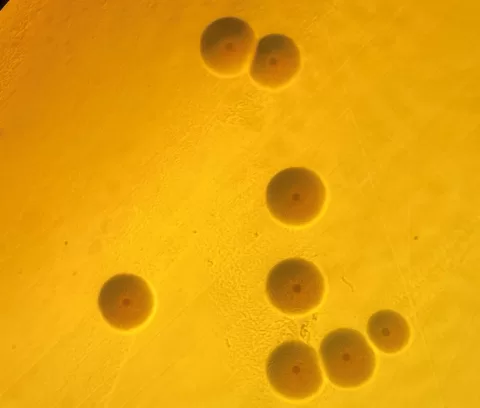


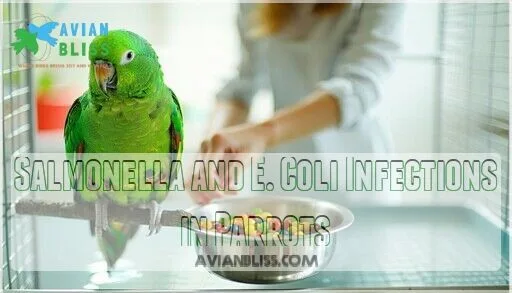
Escherichia coli in parrots presents a significant concern, particularly in the context of the illegal wildlife trade. Recent studies have shown that this notorious bacterium, specifically the sequence type 131:H:22, is prevalent among birds, especially those trafficked for the pet industry in Brazil. The presence of extraintestinal pathogenic E. coli (ExPEC) strains in these avian populations raises alarms regarding potential zoonotic transmission, which could affect both bird health and human welfare. Moreover, avian pathogenic E. coli (APEC) strains often colonize confiscated parrots, making them reservoirs for bacteria that may spread in rehabilitation centers. This situation highlights the urgent need for effective wildlife conservation strategies to combat the illegal wildlife trade and reduce the risks associated with bacterial transmission in parrots.
The issue of E. coli in birds, particularly parrots, sheds light on a broader spectrum of health implications tied to the illegal pet trade. As a prevalent bacterium, E. coli, along with its pathogenic variants, poses a notable risk to wildlife and has been linked to serious zoonotic diseases. In light of the traffic of exotic birds, including parrots, through illegal channels, it becomes crucial to understand how avian populations are impacted by such bacterial strains. The trade not only threatens biodiversity but also facilitates the spread of antibiotic-resistant bacteria amidst wildlife. Thus, addressing these concerns is essential for both animal health management and global wildlife conservation efforts.
The Impact of Illegal Wildlife Trade on Avian Species
The illegal wildlife trade remains a significant threat to avian species, with devastating consequences for biodiversity. Species such as parrots are particularly affected; they rank among the most trafficked birds globally. This illicit trade not only endangers populations but also disrupts natural ecosystems. The overwhelming demand for exotic pets has fueled an underground market that disregards wildlife conservation efforts. According to the 2022 World Wildlife Trade Report, the illegal wildlife market generates approximately USD 220 billion annually, highlighting the scale of the challenge conservationists face.
Moreover, the illegal pet trade poses risks beyond simple population decline; it facilitates the spread of zoonotic diseases such as those caused by avian pathogenic E. coli strains. Birds confiscated from illegal traders are often kept in cramped, unclean conditions, making them prime vectors for bacterial transmission. These stressors compromise their immune systems, increasing the likelihood of disease outbreaks that could spill over into human populations, thereby necessitating urgent regulatory measures to enhance the protection of wildlife and public health.
Avian Pathogenic E. coli in Parrots: A Growing Concern
Avian pathogenic Escherichia coli (APEC) is a leading cause of disease in birds, with recent studies highlighting its presence in parrots. In the context of a recent rehabilitation center case study in Brazil, researchers discovered high-risk strains of extraintestinal pathogenic E. coli (E. coli ST131-H22) that could pose significant health threats not only to birds but also to humans. The risks associated with APEC are exacerbated by the conditions in which illegal pet trade victims are kept, where stress and overcrowding contribute to higher rates of infection and disease transmission.
The bacteria’s adaptability and resistance to multiple drugs present further complications, as highlighted by the detection of strains with virulence genes in confiscated parrots. The presence of such strains signals an urgent need for awareness among avian veterinarians and wildlife biologists about the implications of bacterial transmission in parrots. Addressing these concerns through improved monitoring and biosecurity measures is critical to ensure both animal welfare and public health safety.
The Role of Biosecurity in Wildlife Rehabilitation Centers
Biosecurity is a crucial aspect of wildlife rehabilitation, particularly with the influx of confiscated animals from the illegal pet trade. Rehabilitation centers often struggle with overcrowding and inadequate resources, leading to lapses in hygiene practices. This creates an environment where bacterial infections, like those caused by avian pathogenic E. coli, can spread rapidly. A focus on stringent biosecurity measures, such as proper sanitation and veterinary oversight, is essential to controlling these pathogens and protecting both the animals in care and the broader ecological community.
Moreover, implementing biosecurity protocols can significantly reduce the risk of zoonotic diseases from wildlife to humans. A proactive stance involving training for staff on disease recognition and management can greatly enhance the efficacy of rehabilitation efforts. The fact that a strain of E. coli ST131-H22 was isolated from parrots emphasizes that without stringent biosecurity, these centers can become breeding grounds for multi-drug resistant pathogens, further complicating the rescue and rehabilitation of affected birds.
A Zoonotic Perspective: E. coli and Human Health
Zoonotic diseases, those that can be transmitted from animals to humans, represent a pressing public health concern, especially in the context of illegal wildlife trade. The emergence of Escherichia coli ST131-H22 from parrots raises alarms about potential risks associated with human interaction with wildlife. Ensuring comprehensive monitoring and surveillance of pathogens in wildlife trade is essential in mitigating these risks. With birds being frequent carriers of APEC, human exposure, whether through caretaking or contact with infected animals, heightens the potential for outbreaks.
To address these zoonotic risks, the collaboration between wildlife conservationists and public health officials is critical. Strategies such as educating the public about safe practices regarding wild animals can help limit the transmission of zoonotic pathogens. By closely monitoring avian populations and emphasizing the importance of wildlife conservation efforts, communities can work jointly to protect both wildlife and human health from the ever-present threats posed by bacterial infections like E. coli.
Combating the Illegal Wildlife Trade through Legislation
Effective legislation is pivotal in combating the illegal wildlife trade and its associated risks. Laws governing wildlife trade, along with international agreements like the Convention on International Trade in Endangered Species of Wild Fauna and Flora, are essential tools in regulating the exploitation of endangered species and preventing disease transmission. Stricter enforcement of these regulations can lower the incidence of illegal trafficking, thereby protecting avian species such as parrots from both extinction and the spread of pathogenic bacteria like APEC.
In addition to tightening regulations, raising awareness about the impact of illegal wildlife trade on biodiversity and public health is vital. Public engagement initiatives that inform about the implications of owning exotic pets can lead to bolster support for wildlife conservation measures. Highlighting the link between illegal pet trade and the emergence of zoonotic diseases emphasizes the need for collective action to promote legal wildlife trade practices that do not endanger populations or exacerbate health risks.
The Importance of Veterinary Care in Wildlife Rehabilitation
Veterinary care plays a critical role in the rehabilitation of confiscated wildlife, particularly in preventing and managing infections like those caused by avian pathogenic E. coli (APEC). Ongoing health assessments and interventions are necessary to control outbreaks in rehabilitation centers, where conditions can be conducive to disease spread. Implementing routine health screenings for APEC and other pathogens can identify at-risk animals early, allowing for timely treatment and isolation.
Moreover, educating veterinary professionals on the unique health challenges faced by illegally traded birds can equip them with the skills necessary to address the specific needs of these animals. Developing protocols tailored to treat and manage infections like E. coli can play a crucial role in ensuring both the recovery of individual birds and the prevention of further transmissions to other animals or humans. Veterinary care is thus not just a health service but a fundamental component of wildlife conservation efforts.
Research Advances in E. coli Pathogenicity
Recent research has shed light on the pathogenicity mechanisms of Escherichia coli, particularly in its extraintestinal pathogenic strains like ST131-H22. This lineage has gained attention for its ability to cause severe health complications in both avian and human populations. Understanding the genetic factors that enhance its virulence is vital for developing effective prevention strategies in wildlife rehabilitation and public health sectors. Continuing studies into the genomic compositions of these strains can yield crucial insights into their transmission dynamics and resistance patterns.
Furthermore, ongoing research into the host interactions of APEC in parrots can help determine how environmental factors, such as hygiene conditions in rehabilitation centers, influence bacterial transmission. Investigating these relationships is essential for informing better management practices in wildlife rescue operations. By advancing our understanding of E. coli pathogenicity, we can take proactive steps towards safeguarding both avian species and human communities from the threats posed by this adaptable pathogen.
Bioethics and Wildlife Conservation Initiatives
As we confront the challenges of illegal wildlife trade and its implications, the field of bioethics offers valuable insight into the moral obligations we have toward both animals and humans. Ethical considerations surrounding the rescue and rehabilitation of wildlife underscore the importance of balanced approaches that advocate for the welfare of individual animals while also protecting public health. The treatment of confiscated birds must be approached with the intent to promote their well-being while simultaneously mitigating any potential health risks related to disease transmission.
Incorporating bioethical principles into wildlife conservation initiatives could lead to more holistic strategies that reflect societal values and promote responsible practices. For instance, raising awareness about the ethical implications of wildlife trafficking can mobilize public support for stricter regulations and foster a culture of conservation. By aligning ethical considerations with practical conservation measures, communities can work towards sustainable solutions that benefit both wildlife and human populations in the face of evolving challenges like those posed by E. coli.
Community Involvement in Wildlife Conservation
Community involvement is crucial in combating illegal wildlife trade and promoting conservation efforts. Engaging local populations in wildlife protection initiatives can foster a sense of stewardship, which is often lacking when faced with external pressures of the wildlife trade industry. Educational programs that highlight the ecological and health impacts of illegal pet trade can empower communities to take action against the exploitation of parrot species and other wildlife.
Moreover, involving local communities in rehabilitation efforts creates a support system for confiscated animals, such as those affected by avian pathogenic E. coli. Attaining community buy-in for wildlife conservation not only enhances rehabilitation outcomes but also improves the understanding of zoonotic risk management, as individuals become more aware of the health implications associated with illegal wildlife trade. Comprehensive community engagement is thus a vital aspect of effective wildlife conservation strategies.
Frequently Asked Questions
What is Escherichia coli and why is it significant in parrots?
Escherichia coli is a type of bacteria that can be pathogenic in various species, including parrots. In parrots, certain strains, particularly avian pathogenic E. coli (APEC), are linked to severe health issues. The recent findings of extraintestinal pathogenic E. coli sequence type 131-H22 in parrots indicate a risk for zoonotic transmission, particularly in those affected by illegal wildlife trade.
How does the illegal wildlife trade impact the spread of Escherichia coli in parrots?
The illegal wildlife trade exacerbates the spread of Escherichia coli, particularly APEC, among parrots. Confiscated birds, often kept in overcrowded rescue centers, suffer from poor hygiene and stress, creating an environment conducive to bacterial transmission. This underscores the importance of regulating wildlife trade for both conservation and public health.
What are the health risks associated with avian pathogenic E. coli in parrots?
Avian pathogenic E. coli (APEC) poses significant health risks to parrots, including respiratory illness and sepsis. The emergence of multidrug-resistant strains, such as E. coli ST131-H22, further complicates treatment options. These strains not only affect parrots but can also pose zoonotic risks to humans.
What is the role of rehabilitation centers in controlling Escherichia coli outbreaks in parrots?
Rehabilitation centers play a crucial role in managing Escherichia coli outbreaks in parrots. They must implement strict biosecurity measures and proper hygiene practices to prevent the transmission of avian pathogenic E. coli and protect both the birds and potential human handlers from zoonotic risks.
How can we improve wildlife conservation efforts concerning Escherichia coli in parrots?
Improving wildlife conservation efforts entails enforcing stricter regulations against the illegal wildlife trade and enhancing biosecurity measures in rescue centers. Raising awareness about the risks of Escherichia coli and its zoonotic transmission is vital, alongside promoting the health of both wildlife and public health.
Why is monitoring Escherichia coli in parrots important for global health?
Monitoring Escherichia coli in parrots is vital for global health due to its potential for zoonotic transmission. The detection of multi-drug resistant strains like ST131-H22 in avian species indicates a looming threat that could affect not only animal populations but also human health, necessitating ongoing surveillance and research.
| Key Points |
|---|
| Escherichia coli sequence type 131:H:22 is a pathogenic lineage associated with serious human health issues. |
| The discovery of E. coli in parrots highlights zoonotic risks from illegal wildlife trade. |
| 15 blue-fronted Amazon parrots and 4 macaws were studied for E. coli infections. |
| Initial samples taken on seizure day showed immediate colonization in parrots. |
| High adaptability and drug resistance of the strain (RG299.1) were confirmed through whole-genome sequencing. |
| The study indicates illegal pet trade exacerbates APEC transmission in rehabilitation centers. |
Summary
Escherichia coli in Parrots is a concerning issue, especially highlighted by recent findings in Brazil. The emergence of E. coli sequence type 131-H22 in confiscated parrots raises significant alarms about zoonotic diseases linked to illegal pet trade. This illegal activity not only threatens biodiversity but also facilitates the spread of multi-drug resistant infections among avian species and humans. The study emphasizes the importance of stringent regulations and improved biosecurity measures in wildlife rehabilitation centers to prevent further outbreaks.
The content provided on this blog (e.g., symptom descriptions, health tips, or general advice) is for informational purposes only and is not a substitute for professional medical advice, diagnosis, or treatment. Always seek the guidance of your physician or other qualified healthcare provider with any questions you may have regarding a medical condition. Never disregard professional medical advice or delay seeking it because of something you have read on this website. If you believe you may have a medical emergency, call your doctor or emergency services immediately. Reliance on any information provided by this blog is solely at your own risk.