

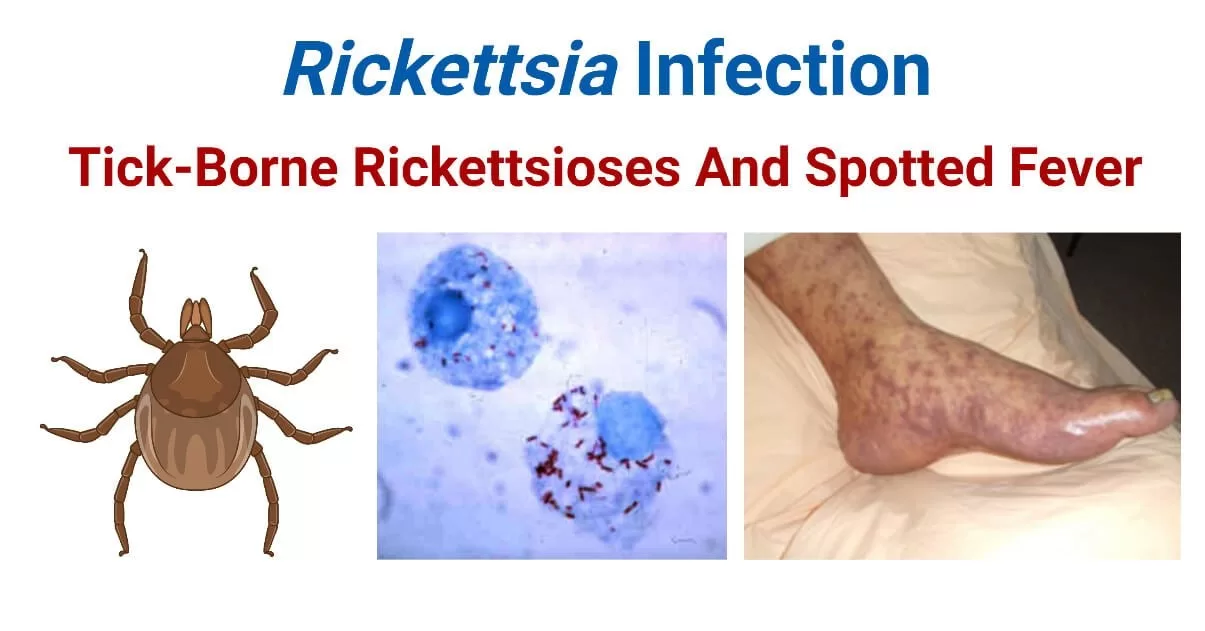
Rickettsioses in Uganda have emerged as a significant yet underrecognized cause of hospitalization for acute febrile illness. These rickettsial infections are often difficult to identify due to the overlap of symptoms with other illnesses, thus complicating the febrile illness diagnosis. In Uganda, the use of advanced diagnostic methods such as rRNA reverse transcription PCR (RT-PCR) shows promise in detecting these infections, yet they remain underreported. Moreover, incorporating treatments like doxycycline could drastically improve patient outcomes in cases of febrile illness caused by rickettsiae. As healthcare providers in Uganda strive to enhance clinical care, understanding the prevalence and management of rickettsioses is crucial for effective treatment strategies.
Rickettsial diseases, often referred to as spotted fever and typhus group infections, represent a compelling aspect of the infectious diseases landscape in Uganda. These infections, categorized under febrile illnesses, can present diagnostic challenges that often lead to misclassification. Emerging diagnostic technologies, particularly RT-PCR, have illuminated the landscape of these conditions, shedding light on their real incidence rates in sub-Saharan Africa. The essential role of doxycycline in treating these infections emphasizes the need for updated clinical protocols. Acknowledging the severity of acute rickettsial infections is vital for improving healthcare outcomes in regions where these diseases are prevalent.
Understanding Rickettsial Infections in Uganda
Rickettsial infections, particularly in Uganda, are often overlooked due to their complex clinical presentations that mimic other febrile illnesses. The diagnostic challenges arise from the symptoms that overlap with malaria and other common diseases in the region. As a result, healthcare providers may not initially consider rickettsioses in their differential diagnoses, leading to underreporting and mismanagement of these infections. The significance of early identification of rickettsial infections cannot be overemphasized, as prompt treatment is crucial for patient recovery and reducing complications.
Effective diagnosis of rickettsial infections relies on advanced techniques like rRNA reverse transcription PCR (RT-PCR), which has shown promising sensitivity and specificity. Studies in Uganda have revealed that a notable percentage of hospitalized patients with acute febrile illness may actually be suffering from rickettsioses. With higher rates of thrombocytopenia associated with these infections, healthcare providers must adopt a high index of suspicion and incorporate rickettsial serodiagnostics into their clinical pathways.
The Role of RT-PCR in Diagnosing Rickettsioses
The introduction of rRNA RT-PCR as a diagnostic tool in Uganda adds a crucial dimension to the identification of rickettsial infections. Unlike traditional serologic methods, RT-PCR can yield faster and more reliable results, which are crucial in the management of febrile illnesses. This method was validated in the cohort studied, yielding a 75% sensitivity, which provides a significant improvement in diagnosing conditions that have overlapping symptoms with other febrile illnesses, such as malaria and typhoid fever.
RT-PCR’s ability to rapidly confirm the presence of rickettsiae directly in patient serum samples promotes timely therapeutic interventions, enabling doctors to initiate effective treatment regimens. This is essential not only for improving patient outcomes but also for systematic surveillance of fever-causing infections in Uganda, thereby addressing public health concerns associated with underrecognized rickettsial diseases.
Doxycycline Treatment for Rickettsioses
The efficacy of doxycycline in treating rickettsial infections is well-documented, making it a vital option in empirical treatment protocols for febrile illnesses in Uganda. Despite the documented prevalence of rickettsioses among patients presenting with acute fever, many were not on any tetracycline antibiotics, highlighting a critical gap in treatment practices. Doxycycline should be the first-line empirical treatment in regions where rickettsial infections are prevalent, given its high efficacy and comparatively low cost.
Incorporating doxycycline into treatment algorithms can dramatically affect the morbidity and mortality associated with febrile illnesses caused by rickettsioses. Healthcare professionals must be trained and encouraged to consider this antibiotic as part of their treatment regimen, particularly when managing patients with febrile illnesses of unknown origin. This step forward not only improves patient care but also reinforces the importance of understanding the diverse etiologies of febrile illnesses in Uganda.
Challenges in Diagnosing Febrile Illness in Uganda
Diagnosing febrile illnesses remains a challenge in Uganda due to the overlap in clinical presentations of various infectious diseases. The high burden of malaria often leads to a diagnostic overshadowing, where other potential causes such as rickettsial infections may be overlooked. The reliance on conventional serological tests further complicates timely diagnosis, sometimes leading to delays in effective care and treatment. In many cases, acute febrile illnesses are treated empirically without accurate etiological determination, which may perpetuate the cycle of misdiagnosis.
Moreover, the limitations of serologic methods in detecting rickettsial infections highlight the need for more accessible and reliable diagnostic tools. Emphasizing the use of advanced techniques such as RT-PCR can bridge the gap in discernment of febrile illnesses, ensuring timely and appropriate interventions. By enhancing the diagnostic capacities within Ugandan healthcare facilities, clinicians can offer better-targeted treatments, ultimately improving health outcomes for those suffering from rickettsioses and other febrile illnesses.
Public Health Implications of Rickettsial Infections
Rickettsial infections are emerging as a significant public health concern in Uganda, given their potential to cause severe morbidity among underserved populations. Many communities lack awareness of rickettsioses, often attributing symptoms solely to more common ailments like malaria or typhoid fever. This can lead to widespread under-recognition and under-treatment of rickettsial diseases, impacting public health surveillance and reporting metrics.
To address these issues, a multi-faceted approach is necessary, which includes community education, improved diagnostic methods, and effective treatment strategies like doxycycline therapy. Public health initiatives must prioritize raising awareness and empowering healthcare professionals about the realities of rickettsial infections, leading to enhanced recognition, diagnosis, and management of these conditions. Importantly, integrating rickettsial infection awareness into routine health assessments can significantly improve patient outcomes and reduce the burden of febrile illnesses in the region.
Need for Increased Awareness of Rickettsioses
Increased awareness of rickettsioses among healthcare providers and the general public is critical for effective management of febrile illnesses. Research demonstrates that a significant portion of febrile patients in Uganda presents symptoms consistent with rickettsial infections, yet many are misdiagnosed due to a lack of knowledge about these diseases. Educational interventions targeting healthcare workers could enhance their understanding of rickettsial infections, ensuring they recognize the need for including rickettsioses as a possible diagnosis.
Moreover, public health campaigns aimed at educating the general population about the signs and symptoms associated with rickettsial infections would foster proactive healthcare-seeking behavior. Empowering communities with knowledge could lead to earlier diagnosis and treatment, potentially saving lives and reducing strain on healthcare systems burdened by febrile illnesses.
Integrating Rickettsial Diagnostics in Clinical Practice
Integrating rickettsial diagnostics into clinical practice represents a significant step toward improving healthcare outcomes in Uganda. The application of innovative diagnostic techniques like RT-PCR in routine clinical settings is crucial for the reliable detection of rickettsial infections. Training healthcare professionals to utilize these advanced diagnostic methods can lead to timely interventions and better management of febrile illnesses.
Routine screening for rickettsial infections in patients presenting with acute febrile illness could be beneficial, particularly for those negative for other common conditions like malaria. Developing clear clinical guidelines that include rickettsial diagnostics may aid healthcare providers in recognizing the significance of these infections and in selecting appropriate treatment strategies, thereby improving both individual and public health outcomes.
Future Research Directions in Rickettsioses
Future research is essential to comprehend fully the impact of rickettsial infections on febrile illnesses in Uganda. There is a pressing need for studies that focus on the epidemiology of rickettsial diseases, identifying which strains are most prevalent, as well as their transmission dynamics within the population. Such research can inform public health strategies, guide clinical practice, and shape policy decisions aimed at managing febrile illnesses more effectively.
Additionally, the development and validation of point-of-care diagnostic tests for rickettsial infections would significantly enhance clinical management in low-resource settings. Future studies should also explore the long-term effects of rickettsial diseases on health, including the economic burden these infections place on the healthcare system. Investing in this research will strengthen the overall response to febrile illnesses, ensuring that rickettsioses are appropriately addressed within health institutions.
Impact of Rickettsioses on Hospitalization Rates
The impact of rickettsial infections on hospitalization rates in Uganda is becoming increasingly evident. As more cases are identified through improved diagnostic methods, healthcare facilities are witnessing a proportional increase in hospital admissions attributed to rickettsioses. This shift underscores the need for urgent attention within both clinical and public health sectors to address this emerging cause of morbidity.
Understanding hospitalization trends related to rickettsial infections can help health policymakers allocate resources more efficiently and improve patient care strategies. By recognizing that rickettsioses significantly contribute to the overall landscape of febrile illnesses, healthcare systems must adapt to integrate rickettsial diagnostics and treatment into their standard operating procedures while also preparing for capacity-building in hospitals.
Frequently Asked Questions
What are the common symptoms of rickettsioses in Uganda?
Rickettsioses in Uganda can present with a range of symptoms that often overlap with other febrile illnesses. Typical symptoms include fever, headache, muscle pain, and a rash. Additional findings may include thrombocytopenia, which has been shown to occur more frequently in patients with rickettsial infections compared to other non-malarial febrile illnesses.
How are rickettsial infections diagnosed in Uganda?
In Uganda, diagnosing rickettsial infections can be challenging due to the limitations of existing diagnostic methods. The use of rRNA reverse transcription PCR (RT-PCR) has emerged as a reliable diagnostic tool, demonstrating a sensitivity of 75.0% and specificity of 91.2%. Immunofluorescence assays are also used to identify rickettsial groups, making these methods vital for proper diagnosis in febrile illness cases.
What is the recommended treatment for rickettsioses in Uganda?
The recommended treatment for rickettsioses in Uganda is doxycycline. This antibiotic is effective against rickettsial infections and should be included in empirical antimicrobial regimens for patients presenting with acute febrile illness, especially in regions where malaria is endemic and diagnostic capabilities are limited.
Why is rickettsial infection underreported in Uganda?
Rickettsial infections are often underreported in Uganda due to several factors, including the difficulty in clinically distinguishing them from other febrile illnesses, insufficient diagnostic capabilities, and delays associated with serological testing. These challenges contribute to the lack of awareness about the prevalence of rickettsioses in the region.
What role does RT-PCR play in identifying rickettsial infections in Uganda?
RT-PCR plays a crucial role in identifying rickettsial infections in Uganda as it can provide timely and accurate results when diagnosing acute febrile illnesses. Its high sensitivity and specificity make it a promising diagnostic approach, enabling clinicians to make informed treatment decisions quickly.
Are rickettsial infections considered a major health concern in Uganda?
Yes, rickettsial infections are considered a significant health concern in Uganda, particularly as they contribute notably to acute febrile illnesses. Awareness of these infections among healthcare providers is essential to improve diagnosis and treatment, ensuring timely interventions that can reduce morbidity and mortality associated with febrile conditions.
| Key Points | Details |
|---|---|
| Rickettsioses underrecognition | Rickettsial infections are frequently misdiagnosed due to clinical similarities with other febrile illnesses, leading to underreporting. |
| Study sample size | Data was collected from 329 participants experiencing sepsis and febrile illness. |
| Detection methods | Immunofluorescence assay and rRNA RT-PCR were used to identify infections with a 10% overall infection rate. |
| Sensitivity and specificity of rRNA RT-PCR | The sensitivity was 75%, and specificity was 91.2%, demonstrating its effectiveness in diagnosis. |
| Thrombocytopenia prevalence | Patients with rickettsial infections showed a higher prevalence of thrombocytopenia. |
| Treatment recommendations | Doxycycline is recommended for empirical treatment of febrile illnesses in Uganda. |
Summary
Rickettsioses in Uganda are an underrecognized cause of hospitalization for febrile illnesses, significantly impacting health outcomes. The complexity of diagnosing these infections has led to frequent misidentification, further complicated by limited diagnostic resources. This study highlights the need for awareness among clinicians and the incorporation of doxycycline in treatment regimens for febrile cases, ensuring better patient management and public health response in endemic regions.
The content provided on this blog (e.g., symptom descriptions, health tips, or general advice) is for informational purposes only and is not a substitute for professional medical advice, diagnosis, or treatment. Always seek the guidance of your physician or other qualified healthcare provider with any questions you may have regarding a medical condition. Never disregard professional medical advice or delay seeking it because of something you have read on this website. If you believe you may have a medical emergency, call your doctor or emergency services immediately. Reliance on any information provided by this blog is solely at your own risk.