

Raw dairy safety has become a significant concern as new reports from health officials alert consumers to the risks associated with unpasteurized milk. A recent Salmonella outbreak traced back to raw milk in California underscores the potential health effects of raw dairy, particularly for children and adolescents who are the most vulnerable. With 171 cases of illness reported, experts remind us that raw milk risks include not only Salmonella but also E. coli and Campylobacter, which can lead to severe foodborne illnesses. This situation highlights the critical importance of implementing raw dairy precautions to protect public health. As awareness grows, consumers must remain informed about the dangers linked to raw dairy products, especially given the substantial risk of foodborne illness associated with raw milk consumption.
The safety of unpasteurized dairy is under scrutiny following a troubling report from California health officials regarding a recent outbreak of foodborne illness related to raw milk consumption. This situation serves to highlight the broader conversation around the health implications of consuming unprocessed dairy products, which can introduce harmful bacteria into the food supply. As parents and health advocates discuss alternatives, terms such as ‘natural milk’ and ‘fresh dairy’ often surface, but it is essential to recognize that raw dairy still carries significant health risks. Reports of Salmonella and other pathogens associated with raw dairy highlight the urgent need for public education on the potential dangers of these products. In light of these developments, it is vital for consumers to prioritize awareness regarding raw dairy safety and adopt necessary precautions.
Understanding the Risks of Raw Dairy Products
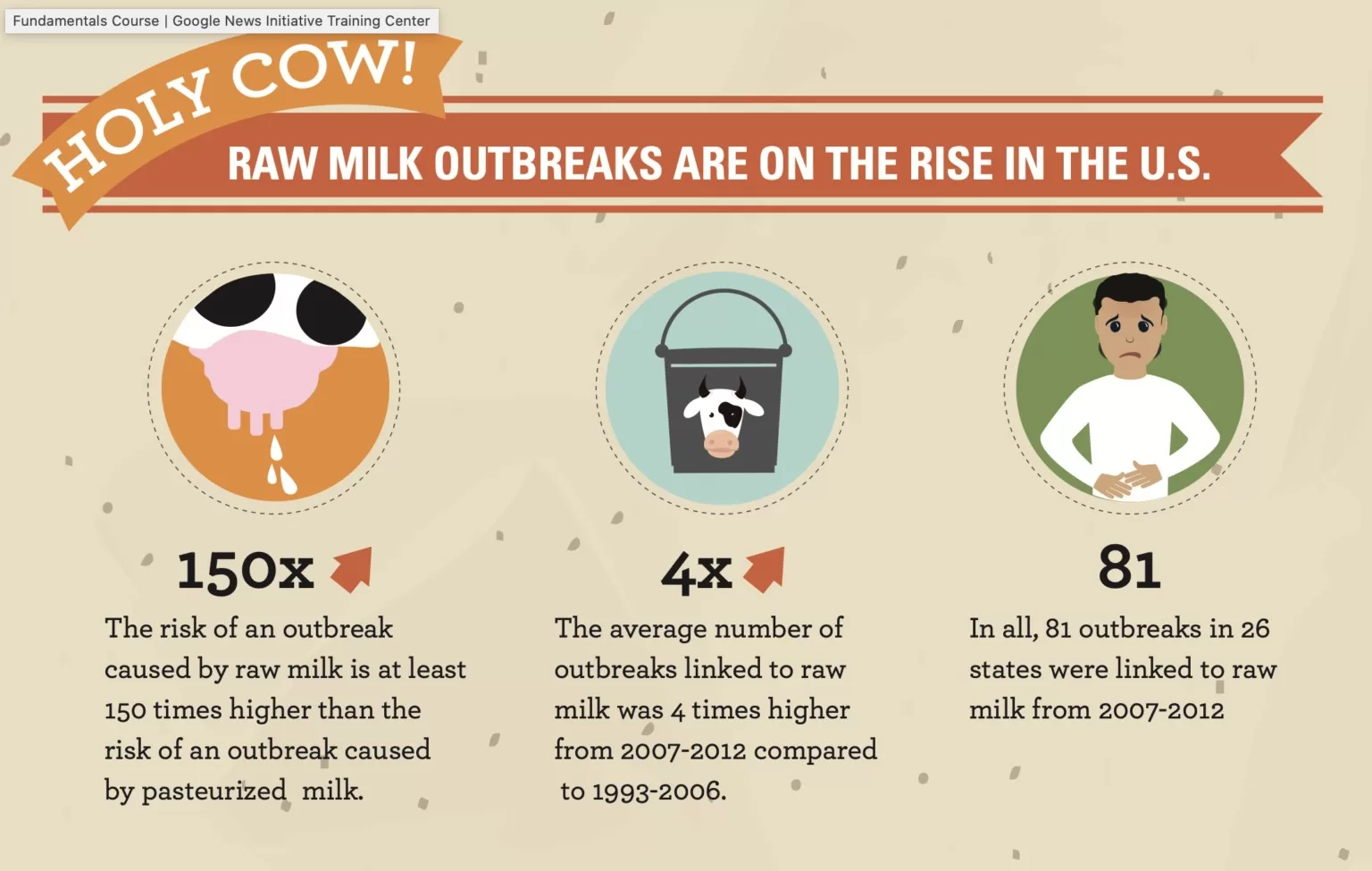
Raw dairy products, particularly raw milk, have increasingly come under scrutiny due to their association with foodborne illnesses. The recent report by California health officials emphasizes the dangers of consuming these unpasteurized products, highlighting multiple outbreaks of various infections, including Salmonella and E. coli. In fact, the CDC has linked over 143 disease outbreaks to raw milk in the past decade, showcasing a significant public health concern that cannot be ignored.
The health effects of raw dairy consumption can range from mild gastrointestinal discomfort to severe illnesses requiring hospitalization, particularly among vulnerable populations. Children, pregnant women, and individuals with compromised immune systems face the greatest risks. The potential for serious complications makes it crucial for consumers to understand the inherent dangers of consuming raw dairy products, especially when commercial sources may not always ensure safety.
Frequently Asked Questions
What are the risks associated with raw dairy safety?
Raw dairy safety is a major concern due to the presence of harmful pathogens such as Salmonella, E. coli, and Campylobacter in unpasteurized products. Consumption of raw dairy can lead to serious foodborne illnesses, affecting gastrointestinal health and causing outbreaks like the recent Salmonella Typhimurium incident linked to raw milk.
What are the health effects of consuming raw dairy products?
The health effects of raw dairy products can include severe gastrointestinal diseases like salmonellosis and campylobacteriosis. Children and immunocompromised individuals are particularly vulnerable, and the CDC reports that outbreaks associated with raw milk have caused hospitalizations and even fatalities in some cases.
How does a Salmonella outbreak relate to raw dairy safety?
A Salmonella outbreak highlights the dangers of raw dairy safety, as seen in the recent California outbreak where 171 illnesses were linked to raw milk. Salmonella Typhimurium was detected in multiple raw dairy samples, showing the risk posed by unpasteurized products and emphasizing the need for strict safety measures.
What precautions should consumers take regarding raw dairy safety?
Consumers should take several raw dairy precautions to ensure safety, including avoiding consumption of unpasteurized milk and dairy products, understanding the risks to vulnerable populations (like children and pregnant women), and being aware of food recalls associated with raw dairy products.
How can raw milk consumption lead to foodborne illness?
Raw milk consumption can lead to foodborne illness due to pathogens such as Salmonella, E. coli, and Campylobacter, which can survive in unpasteurized products. These pathogens can cause serious infections, particularly in young children and those with compromised immune systems, leading to hospitalizations and long-term health issues.
What should I know about the recent outbreak related to raw dairy?
The recent outbreak related to raw dairy involved 171 reported cases of salmonellosis linked to a specific brand of raw milk in California. The outbreak raised awareness of raw dairy safety and the potential for severe health risks, particularly for children, urging consumers to reconsider their choice to consume raw dairy.
Why is raw dairy considered risky for children?
Raw dairy is considered risky for children because they are more susceptible to severe foodborne illnesses. The recent Salmonella outbreak revealed that children accounted for a significant portion of cases, with hospitalization rates being alarmingly high, indicating the urgent need for public health education on raw dairy safety.
| Key Points |
|---|
| A report from California health officials warns of dangers associated with raw dairy products, citing a Salmonella outbreak linked to raw milk that resulted in 171 illnesses. |
| The outbreak lasted from October 2023 to March 2024, affecting children and adolescents the most, with 120 reported cases in this age group. |
| In total, 143 enteric disease outbreaks related to raw milk were reported from 2009 to 2021 according to the CDC. |
| Salmonella, E. coli, Campylobacter, Brucella, and Cryptosporidium infections have all been linked to unpasteurized milk. |
| The outbreak was traced back to a specific dairy farm which identified and recalled contaminated products swiftly. |
| Public health messages should educate consumers on the risks, especially for vulnerable groups such as children and pregnant women. |
Summary
Raw dairy safety is a critical public health issue that highlights the risks associated with consuming unpasteurized dairy products. The recent outbreak of Salmonella linked to raw milk in California has underscored the ongoing hazards posed by these products, particularly to vulnerable groups like children. Effective public health communications are essential to inform consumers about these risks and to encourage safer dairy consumption practices.
The content provided on this blog (e.g., symptom descriptions, health tips, or general advice) is for informational purposes only and is not a substitute for professional medical advice, diagnosis, or treatment. Always seek the guidance of your physician or other qualified healthcare provider with any questions you may have regarding a medical condition. Never disregard professional medical advice or delay seeking it because of something you have read on this website. If you believe you may have a medical emergency, call your doctor or emergency services immediately. Reliance on any information provided by this blog is solely at your own risk.