

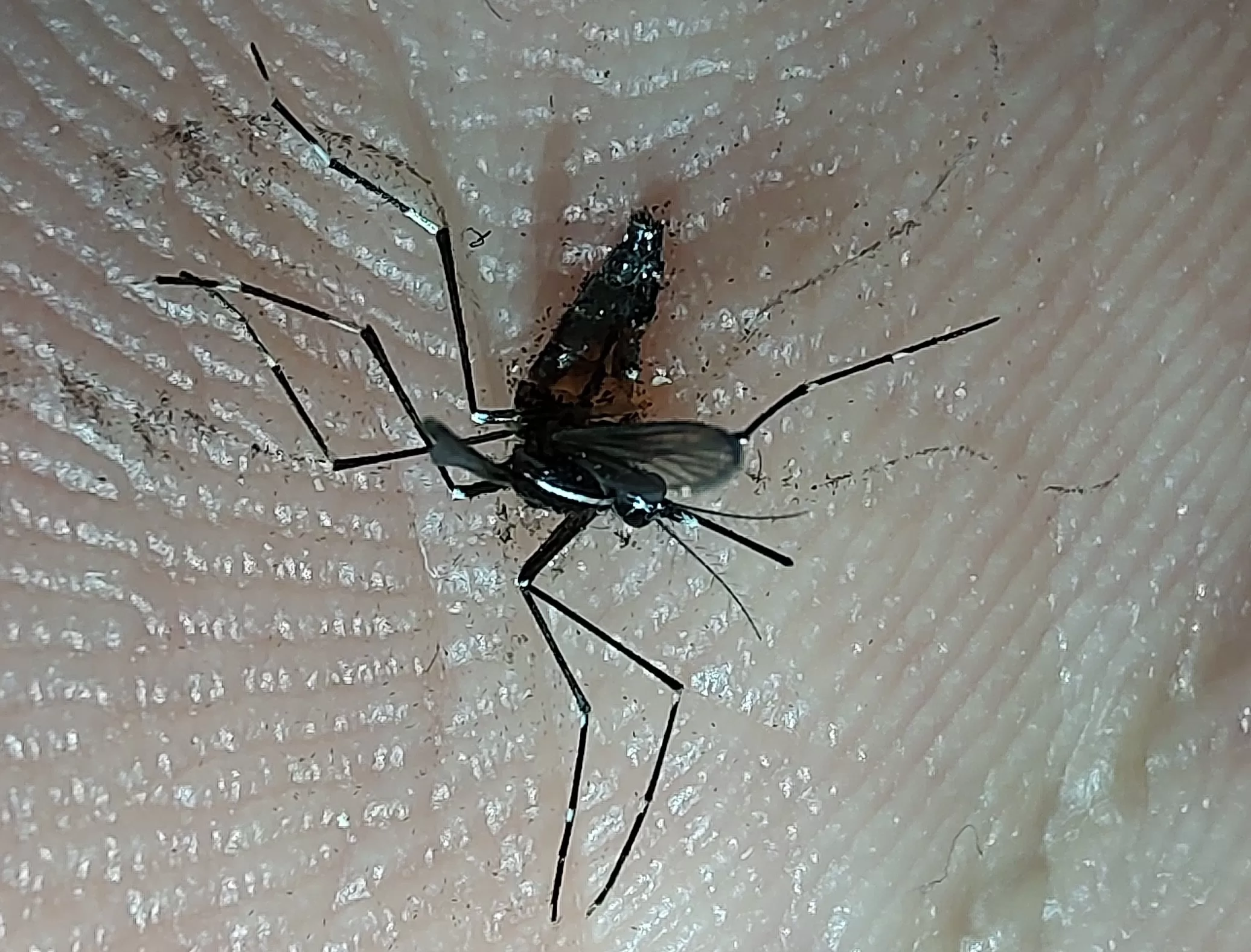
Aedes aegypti mosquito detection has become increasingly vital in urban health surveillance, particularly in areas like Bogota, Colombia. This species, notorious for its ability to spread arboviral diseases such as dengue fever, poses a significant public health risk. Recent monitoring efforts at bus stations in Bogota have revealed the presence of these mosquitoes, underscoring the urgent need for effective mosquito control and disease prevention strategies. With Colombia reporting thousands of dengue cases annually, the importance of Aedes aegypti monitoring cannot be overstated. As climate change continues to alter ecosystems, understanding mosquito distribution patterns is crucial for safeguarding public health in urban centers.
The identification and monitoring of Aedes aegypti mosquitoes are critical to tackling the challenges posed by vector-borne diseases in urban environments. These mosquitoes, widely recognized as carriers of dengue fever and other arboviral infections, are being increasingly observed in non-traditional habitats, such as bus stations in cities like Bogota. Efficient health surveillance systems are imperative to detect and address potential outbreaks early, ensuring the safety and well-being of the population. The rise in mosquito populations may correlate with shifts in climate, emphasizing the need for ongoing research and monitoring. By focusing on areas with high traveler turnover, health authorities can enhance their strategies to combat the spread of diseases transmitted by Aedes mosquitoes.
Understanding Aedes aegypti Mosquito Behavior and Ecology
Aedes aegypti mosquitoes are notorious for their role in transmitting various arboviral diseases, including dengue fever, Zika, chikungunya, and yellow fever. These mosquitoes are particularly adaptable to urban environments, where they thrive in containers and stagnant water. Their feeding behavior predominantly targets humans, making them a significant public health threat. The ecology of these mosquitoes is closely linked to tropical and subtropical climates, ideally suited for their breeding and survival. However, they have also been recorded at higher altitudes, such as Bogota, Colombia, challenging previously established ecological limits.
The presence of Aedes aegypti in Bogota, particularly at higher elevations, raises concerns about the potential for increased transmission of arboviral diseases. Changes in climate and urban expansion may create new breeding grounds, allowing these mosquitoes to inhabit regions previously deemed unsuitable. Consequently, understanding their behavior, breeding habitats, and interactions with the environment is critical for effective mosquito control strategies. Regular surveillance and monitoring efforts, particularly in high-traffic areas like bus stations, play a vital role in identifying and managing mosquito populations before they lead to outbreaks.
The Impact of Climate Change on Aedes aegypti Distribution
Climate change has drastically altered environmental dynamics, affecting the habitats and distributions of many species, including the Aedes aegypti mosquito. Rising global temperatures have expanded the geographical range of these mosquitoes into areas that were historically inhospitable. In Bogota, for example, increases in average temperature have brought Aedes aegypti mosquitoes closer to urban areas, raising public health concerns. As average temperatures in Bogota have risen from 12.6°C in the mid-1960s to 13.8°C by 2022, the conditions have become more favorable for these pests.
This shift necessitates proactive measures to ensure effective monitoring and control of Aedes aegypti populations in urban settings like Bogota. As mosquitoes adapt to new climates, health authorities must enhance their surveillance systems to quickly detect and respond to potential outbreaks of diseases such as dengue fever. Implementing strategies such as regular sampling and public education campaigns about mosquito prevention can mitigate the risks posed by these resilient vectors. Furthermore, it underscores the importance of cross-sector collaboration between environmental scientists and public health officials to address the complexities brought on by climate change.
Dengue Fever and Its Connection to Aedes aegypti in Colombia
Dengue fever remains one of the most common and concerning arboviral diseases in Colombia, with Aedes aegypti serving as the primary vector. In 2024, Colombia reported over 27,000 cases of dengue fever, highlighting the urgent need for effective mosquito control strategies. The geographic distribution of dengue cases often aligns with areas of high Aedes aegypti activity, especially in urban and peri-urban regions. Key states like Valle del Cauca and Cundinamarca have recorded significant outbreaks, illuminating the relationship between mosquito populations and disease prevalence.
Efforts to combat dengue fever in Colombia must focus on understanding the dynamics of Aedes aegypti populations in urban environments. Effective surveillance at bus stations and other high-traffic areas is essential for early detection of mosquito presence and subsequent monitoring of disease transmission patterns. Public health campaigns aimed at educating communities about preventing mosquito breeding, such as eliminating standing water and using protective measures, are crucial. Overall, addressing the dengue threat in Colombia requires a multifaceted approach that integrates entomology, public health education, and community engagement.
The Role of Bogotá Health Surveillance in Mosquito Monitoring
The implementation of a robust health surveillance system in Bogotá is integral to monitoring Aedes aegypti populations and managing mosquito-borne diseases effectively. Given the city’s altitude and changing climate, constant surveillance is necessary to track mosquito activity and assess potential health risks. By focusing efforts on migration hubs such as bus stations, health officials can identify and respond to Aedes aegypti detections in real-time, allowing them to implement preventive measures more efficiently.
Health surveillance not only emphasizes the need for regular sampling and monitoring of mosquito populations but also fosters collaboration between various stakeholders, including public health officials, local governments, and the community. This approach enhances the capacity to manage arboviral disease outbreaks and reduce the prevalence of diseases such as dengue fever through informed decision-making and targeted vector control strategies. Engaging communities in awareness and prevention initiatives further strengthens Bogotá’s efforts to combat Aedes aegypti and other mosquito species.
Innovative Strategies for Aedes aegypti Monitoring
In response to the growing concern surrounding Aedes aegypti mosquitoes, innovative monitoring strategies are being developed and implemented in various urban areas, including Bogotá. These strategies entail the use of traps specifically designed to capture both adult and larval mosquitoes, which are then analyzed to provide insights into their population dynamics and potential health risks. Technologies like GIS mapping and remote sensing are also being leveraged to identify high-risk areas and optimize mosquito control efforts.
Moreover, the integration of community involvement in monitoring efforts has become increasingly important. Educational programs aim to inform the public about Aedes aegypti’s breeding habits and the significance of maintaining clean environments to limit mosquito populations. Through initiatives that encourage residents to participate in surveillance and reporting, Bogotá can bolster its efforts in managing the presence of Aedes aegypti mosquitoes and minimizing the risks of dengue fever and other arboviral diseases.
Challenges in Aedes aegypti Control in Urban Environments
Controlling Aedes aegypti populations in urban environments presents numerous challenges. High population densities and extensive human activity often lead to favorable breeding conditions, increasing the risk of arboviral disease transmission. In Bogotá, frequent travel to and from endemic regions exacerbates the situation, making it difficult to implement consistent mosquito control measures. Furthermore, the prevalence of standing water in urban landscapes provides ample breeding sites for Aedes aegypti, complicating control efforts.
Addressing these challenges necessitates a multidisciplinary approach that combines vector control, environmental management, and community engagement. Public health authorities must prioritize ongoing education and proactive measures to curb potential outbreaks of mosquito-borne diseases. Collaborating with local communities, healthcare providers, and environmental agencies can foster comprehensive strategies that effectively reduce Aedes aegypti populations and protect public health.
Public Awareness and Education on Mosquito Prevention
Raising public awareness about Aedes aegypti mosquitoes and their associated health risks is crucial in fighting the spread of arboviral diseases. Educational campaigns focusing on dengue fever, the mosquito’s breeding habits, and preventive measures can significantly reduce the likelihood of outbreaks. Communities must be informed about the importance of eliminating standing water and utilizing protective measures, such as window screens and repellents, to help mitigate the risk of transmission.
Effective communication channels, including community workshops, social media outreach, and informational pamphlets, can enhance public knowledge and involvement in mosquito prevention efforts. Encouraging community participation not only empowers residents but also fosters a sense of responsibility toward public health. Through collective action and sustained education, Bogotá can significantly reduce the risks associated with Aedes aegypti mosquitoes and the diseases they transmit.
The Importance of Collaborative Efforts in Mosquito Control
The fight against Aedes aegypti mosquitoes and the diseases they transmit, such as dengue fever, requires a collaborative approach that integrates the efforts of various stakeholders. Public health officials, environmental agencies, and community organizations must work together to develop effective surveillance systems and control strategies. By forming partnerships, agencies can share vital data and resources, enhancing their response to mosquito populations and the risks they pose to public health.
Community involvement is also crucial in these collaborative efforts. Engaging local populations in monitoring activities, educational initiatives, and prevention programs ensures that control measures are culturally relevant and accepted. As citizens become more aware of the role they play in mosquito management, their dedication to maintaining cleaner environments and participating in health surveillance will strengthen overall efforts to combat Aedes aegypti and the threats of arboviral diseases.
Future Directions in Aedes aegypti Surveillance and Research
The future of Aedes aegypti surveillance and research lies in the integration of advanced technologies and innovative methodologies. As environmental conditions continue to change, it is crucial to adapt surveillance techniques that can quickly respond to shifting mosquito populations and potential outbreaks. Scientific advancements, such as genetic mapping and remote sensing technologies, present opportunities to enhance our understanding of Aedes aegypti distribution and behavior.
Moreover, ongoing research should focus on the interaction between climate change and mosquito dynamics, particularly in vulnerable regions like Bogotá. Identifying factors that influence Aedes aegypti prevalence can inform public health strategies and enhance preparedness for potential outbreaks of dengue fever and other arboviral diseases. This multifaceted approach will be vital for establishing comprehensive mosquito surveillance programs that protect public health and improve disease management practices in urban environments.
Frequently Asked Questions
What is the significance of Aedes aegypti mosquito detection in Bogota?
The detection of Aedes aegypti mosquitoes in Bogota is significant because these mosquitoes are primary vectors for arboviral diseases like dengue fever, Zika virus, and chikungunya. Monitoring their presence is crucial for public health surveillance, especially given the rise in dengue cases in Colombia, where 27,649 cases were reported in 2024 alone.
How does Aedes aegypti mosquito detection relate to dengue fever outbreaks?
Aedes aegypti mosquito detection is directly related to dengue fever outbreaks as these mosquitoes are known carriers of the dengue virus. The presence of Ae. aegypti in urban areas like Bogota increases the risk of dengue transmission, highlighting the need for effective monitoring and control measures to mitigate outbreaks.
What monitoring efforts are in place for Aedes aegypti mosquitoes in Bogota, Colombia?
In Bogota, the Secretaría Distrital de Salud has initiated weekly monitoring of Aedes aegypti mosquitoes at high-traffic bus stations. This includes trapping adult mosquitoes and collecting larvae samples to assess the species’ presence and abundance, aiming to improve health surveillance and response to potential dengue outbreaks.
Why is it important to focus on bus stations for Aedes aegypti mosquito detection?
Bus stations are critical areas for Aedes aegypti mosquito detection due to high human mobility from regions endemic to these mosquitoes. Monitoring in such locations helps detect potential introductions and increases in mosquito populations, allowing for timely public health interventions to prevent disease spread.
What environmental factors influence Aedes aegypti mosquito detection in urban areas like Bogota?
Environmental factors such as increasing temperatures and altitude play an essential role in Aedes aegypti mosquito detection. Bogota’s rising average temperatures due to climate change have expanded the habitat suitability for Ae. aegypti, which traditionally thrives at lower altitudes. This shift emphasizes the need for continuous surveillance in urban settings.
What are the primary diseases transmitted by Aedes aegypti mosquitoes?
Aedes aegypti mosquitoes are responsible for transmitting several diseases, primarily dengue fever, Zika virus, chikungunya, and yellow fever. Their detection in various areas is crucial for controlling these arboviral diseases, particularly in regions like Colombia where dengue is prevalent.
How can the community assist in Aedes aegypti mosquito detection efforts?
The community can assist in Aedes aegypti mosquito detection efforts by participating in local vector control programs, reporting standing water sites for potential breeding, and staying informed about dengue fever symptoms and prevention strategies. Public engagement is vital for successful monitoring and management.
What technologies are being used for Aedes aegypti mosquito detection in Colombia?
Technologies for Aedes aegypti mosquito detection in Colombia include the use of traps designed for attracting egg-laying females and larvae. These traps, along with entomological surveys and environmental monitoring, enhance the effectiveness of surveillance programs aimed at controlling arboviral diseases.
| Key Points | Details |
|---|---|
| Study Area | Three bus stations in Bogota, Colombia at 2,625 meters altitude. |
| Monitoring Period | December 2023 – January 2024; 27 larvae and 1 adult Mosquito detected. |
| Health Risks | Ae. aegypti mosquitoes can transmit dengue, Zika, chikungunya, and yellow fever. |
| Dengue Fever Cases | In 2024, Colombia recorded 27,649 cases, with Cundinamarca reporting 867 cases. |
| Impact of Climate Change | Rising temperatures have enabled the presence of mosquitoes in new areas. |
| Monitoring Methods | Traps set up at bus stations targeting Aedes spp. mosquitoes. |
| Conclusion | Continued monitoring is necessary to address potential public health risks. |
Summary
Aedes aegypti mosquito detection in Bogota, Colombia, underscores the importance of ongoing surveillance in urban areas, particularly at bus stations where traffic from various regions can facilitate the spread of mosquito-borne diseases. The study reveals the presence of Aedes aegypti mosquitoes in an area previously considered outside their distribution range, highlighting the need for proactive monitoring and prompt public health responses to mitigate the risks associated with arboviral infections.
The content provided on this blog (e.g., symptom descriptions, health tips, or general advice) is for informational purposes only and is not a substitute for professional medical advice, diagnosis, or treatment. Always seek the guidance of your physician or other qualified healthcare provider with any questions you may have regarding a medical condition. Never disregard professional medical advice or delay seeking it because of something you have read on this website. If you believe you may have a medical emergency, call your doctor or emergency services immediately. Reliance on any information provided by this blog is solely at your own risk.